Is Your Sump Pump Ready for Summer Thunderstorms in Philadelphia?
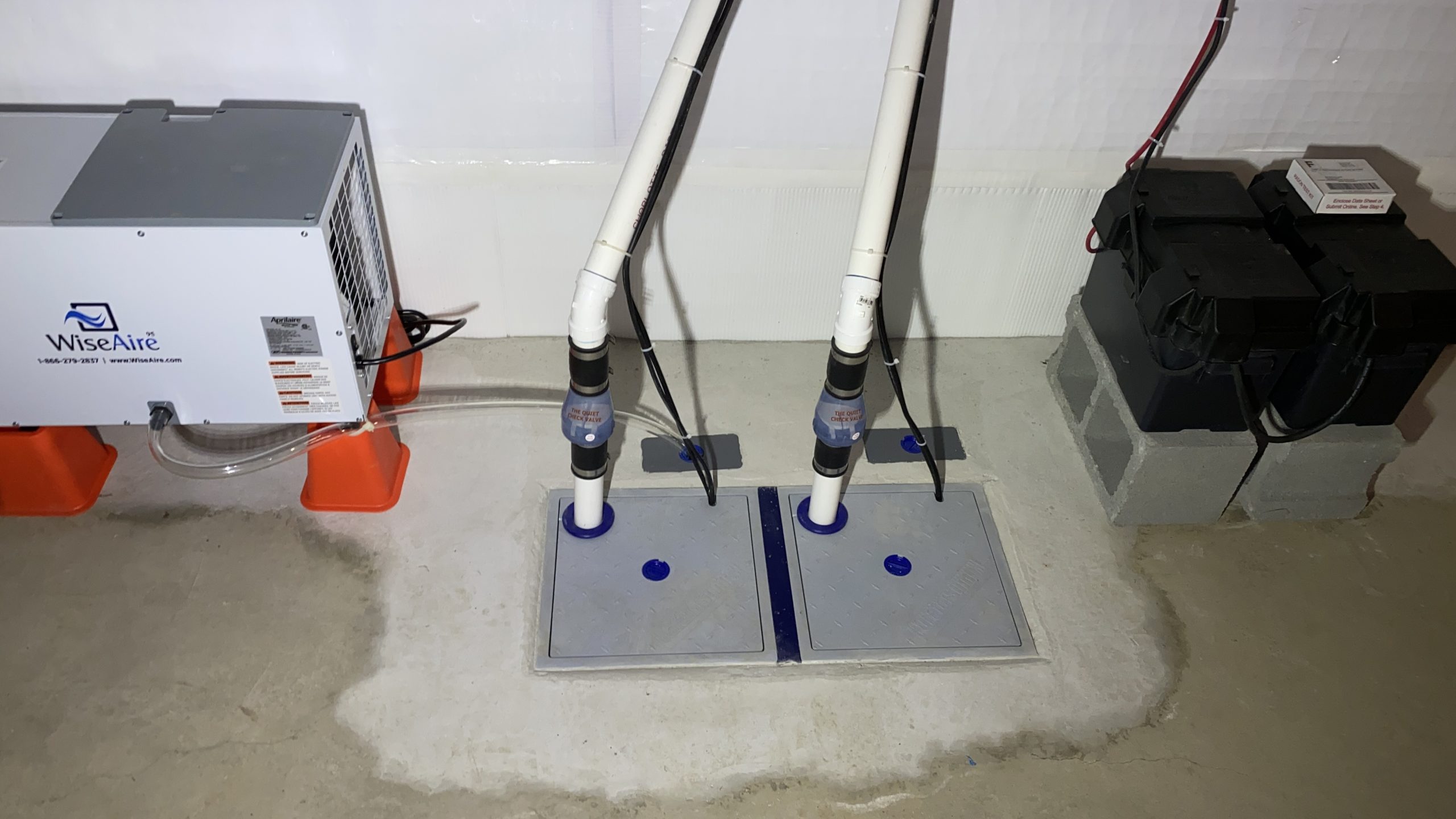
Every Philadelphia homeowner knows summer thunderstorms can come fast and heavy, bringing intense rain that tests the limits of any basement waterproofing system. At the heart of defending your property is the humble sump pump. If you want to prevent water in your basement and protect your home’s structure, ensuring your sump pump is prepared before storms roll in is essential. The best way to maintain confidence through the region’s unpredictable summer weather is with a combination of proactive checks, rigorous maintenance, and professional guidance from local specialists like Jamison Waterproofing.
A properly functioning sump pump is your main line of defense against basement flooding, mold, and costly water damage. We see, year after year, that many sump pump failures are preventable. Homeowners who take the time to inspect and service their systems before the first big storm enjoy peace of mind and avoid the risks of sudden emergencies, musty odors, or foundation issues. Let’s walk through what you need to know and do to ensure your system is truly summer-ready in the greater Philadelphia area.
What Is a Sump Pump and Why Does It Matter in Philadelphia?
A sump pump is an automatic pump installed in the lowest part of a basement or crawl space. Its job is simple: collect groundwater and rainwater that accumulates beneath the house and actively pump it away to prevent flooding. In Philadelphia and the surrounding region, where the water table can rise rapidly during summer storms, sump pumps are vital for keeping basements and foundations dry.
How It Works
- Water flows into a pit (the sump basin), usually collected by a subfloor drainage system or natural flow.
- When water reaches a set level, a float switch triggers the pump to turn on.
- The pump pushes water out through a discharge pipe, directing it well away from the home.
Modern sump pumps can be paired with battery backup systems to ensure operation during power outages, which often coincide with thunderstorms.
Dangers of Summer Thunderstorms for Philadelphia Basements
Sudden, heavy rain can lead to saturated soil and water attempting to enter your basement from every angle. Hydrostatic pressure, common in our region’s clay-heavy soils, can force water through the tiniest cracks or around the footing of your foundation. If a sump pump is not working perfectly, these conditions can quickly overwhelm your home and leave you dealing with water intrusion, damaged belongings, and even hazardous mold.
Thunderstorms can also trigger power outages. Without a battery backup, an outage can instantly render even the best sump pump useless—precisely when you need it most. According to Jamison Waterproofing, homeowners have seen significant property damage simply because their pump or battery system was not tested before the season.
7 Clear Signs Your Sump Pump May Not Be Storm-Ready
- Strange Noises: Grinding, rattling, or humming often signals imminent mechanical failure.
- Continuous or Short Cycling: The pump runs nonstop or cycles on/off every few seconds, which can burn out the motor and shorten its life.
- Slow Water Removal: Pooling water remains in the pit even after activation, indicating a weak or blocked pump.
- Sticking Float Switch: If it does not rise and fall freely, the system may not activate when needed.
- Clogged or Damaged Discharge Line: Obstructions or cracks can send water directly back to your foundation.
- Debris in the Pit: Mud, gravel, or other foreign material can jam the pump mechanism.
- No Backup Power: If thunderstorms commonly knock out power in your area, a missing or failing battery system is a serious vulnerability.
Pre-Storm Sump Pump Checklist for Homeowners
Spending just 15–20 minutes on a simple inspection can reveal most common problems before the next thunderstorm hits:
- Remove the sump basin cover and inspect for any debris or sediment in the pit.
- Pour a bucket of water into the pit to manually raise the float switch—ensure the pump activates.
- Observe the water as it is expelled. Watch for slow movement or splashing near the house foundation.
- Listen for normal, smooth operation free from clunks, rattles, or loud vibrations.
- Let the pump run until the pit is empty. Confirm the system switches off automatically.
- Check the electrical cord for wear and confirm the outlet (or backup battery) is securely connected.
- Review the outdoor discharge area for pooling or blockages, and ensure water is being directed away from your home.
If you notice any failures or suspect your system may not handle a heavy downpour, it is wise to consult a professional for a full inspection.
Outdoor Water Management: Why It Affects Your Sump Pump
Even the best pump system can be overwhelmed if rainwater is not being properly managed outside your home. Effective exterior drainage is critical:
- Gutters and Downspouts: Ensure they are clean and downspouts extend at least several feet away from the foundation.
- Grading: Surrounding soil should slope away from the house, not toward it, to direct water flow elsewhere.
- Window Wells: Clear out leaves or debris so water does not pool around basement windows.
- Check Discharge Piping: Discharge pipes should empty far away from the basement wall and not towards walkways or driveways that slope toward the house.
- Exterior Drains: Keep all entryway, yard, and patio drains clear of blockages.
For specific outdoor issues, Jamison Waterproofing offers custom drainage solutions, including French drains and yard drainage, for properties throughout the region.
How Often Should You Service a Sump Pump?
The recommended minimum is a full system check twice per year: once in early spring or summer before the storm season, and again before winter. Homes with high water tables, persistent dampness, or a history of minor flooding may benefit from professional inspections more frequently. If your basement seems unusually humid or your pump operates continually, you may need to inspect even more often.
In the Philadelphia area, Jamison Waterproofing has seen pumps fail suddenly due to years of small issues accumulating—clogged pits, worn float switches, untested batteries, and outdated equipment being the most common root causes. Preventative maintenance is always more affordable than emergency repairs.
Common Reasons for Sump Pump Failure During Summer Thunderstorms
- Clogged intake screens and float switches stuck by debris or sediment
- Electrical failure—tripped GFCI outlets or faulty wiring
- Discharge lines blocked by dirt or crushed by landscaping
- Improperly sized pumps unable to handle modern storm intensity
- Equipment corroded or worn out from age or neglect
If your pump is more than a few years old or has visible rust, cracks, or slow performance, replacing it may be more reliable than repeated repairs. Regular checkups guard your basement against the most common and costly sources of water intrusion.
How Jamison Waterproofing Approaches Sump Pump Inspections
With more than 35 years serving Philadelphia and the tri-state region, Jamison Waterproofing brings an expert, holistic approach to waterproofing and sump pump readiness. During a typical visit, our technicians:
- Test pump operation with real and simulated storm flows
- Inspect the float switch and discharge system for reliability
- Check pit cleanliness, liner condition, and overall drainage paths
- Verify discharge lines and check valve functionality
- Test any battery backup system for readiness
- Look for signs of equipment wear, overload, or corrosion
Beyond pump servicing, our team also checks for basement wall cracks, foundation seepage, moisture hazards, and related ventilation concerns to ensure your entire waterproofing system works as intended. We offer free inspections and provide written estimates for any upgrades or repairs you may need.
Best Practices: Sump Pump and Basement Flood Protection
- Test the system before rain is in the forecast—a quick mock-storm test is easy and revealing.
- Keep sump basins clear of trash, mud, and foreign objects each season.
- Service or upgrade the battery backup if outages are common in your neighborhood.
- Repair basement wall cracks quickly—prevent water from bypassing your drainage system entirely.
- Inspect gutters and exterior drains regularly, especially after wind or heavy leaf fall.
- Consider professional dehumidification solutions if your basement feels damp or musty, as moisture can trigger mold and air quality issues.
- Consult local experts who understand Philadelphia’s soil, climate, and architectural nuances before attempting major waterproofing work yourself.
For a deeper exploration of basement value, see how basement waterproofing enhances home value across Pennsylvania and New Jersey, or learn about the health risks of basement moisture and ways to prevent them.
When to Call a Professional Sump Pump Specialist
If your system fails any at-home tests—refuses to start, runs endlessly, makes grinding or rattling sounds, or if you notice new signs of basement seepage—do not wait for the next storm to reveal bigger issues. The experienced team at Jamison Waterproofing offers fast-response service, transparent written estimates, and custom solutions tailored to the specific challenges of your property. Our 1500+ five-star reviews show our commitment to effective, lasting results.
FAQ: Sump Pump Readiness for Summer Thunderstorms
How long does a sump pump typically last?
With proper maintenance, most modern sump pumps will last for 7–10 years. Regular inspections and cleanings maximize the lifespan, but older pumps or those that cycle frequently during storms may require earlier replacement.
How do I know if my sump pump needs replacement?
If the pump is slow to run, fails to eject water completely, shows visible corrosion, or has a failing float switch, it may be time for a replacement. If you have experienced minor basement water intrusion even with a running pump, call a professional for a full system check.
What are the main causes of basement flooding if my sump pump works?
Common causes include clogged or undersized discharge lines, electrical failure during storms, improper grading of soil around the home, blocked gutters, or blocked exterior drains. Even a healthy pump cannot always compensate for outside water management issues.
What is the best backup system for my sump pump?
A battery backup sump pump can keep water moving during a power outage. For homes that experience frequent or lengthy outages, a water-powered backup or dual pump system may be recommended. Consult with professionals like Jamison Waterproofing to determine what is best for your needs.
How can I tell if my drainage system needs an upgrade?
If you see repeated signs of dampness, musty smell, or find that your pump runs almost constantly, you may need a more robust sump system or professional drainage upgrades like interior French drains, vapor barriers, or subfloor drainage. Request a specialized assessment for tailored recommendations.
Conclusion: Protect Your Home Before The Storm
Philadelphia’s summer storms are guaranteed to test your home’s readiness—especially your sump pump system. Proactive inspection and maintenance are the simplest, most cost-effective safeguards for your basement, air quality, and property value. Trust in the experience, thoroughness, and proven results of Jamison Waterproofing. Schedule your free inspection, written estimate, or service call ahead of storm season and know your home is prepared for whatever the weather brings.
If you want to learn more about basement waterproofing, sump pump upgrades, or foundation repairs, visit the Jamison Waterproofing homepage.