Why Your Crawl Space Smells Musty After Spring Rain in South Jersey
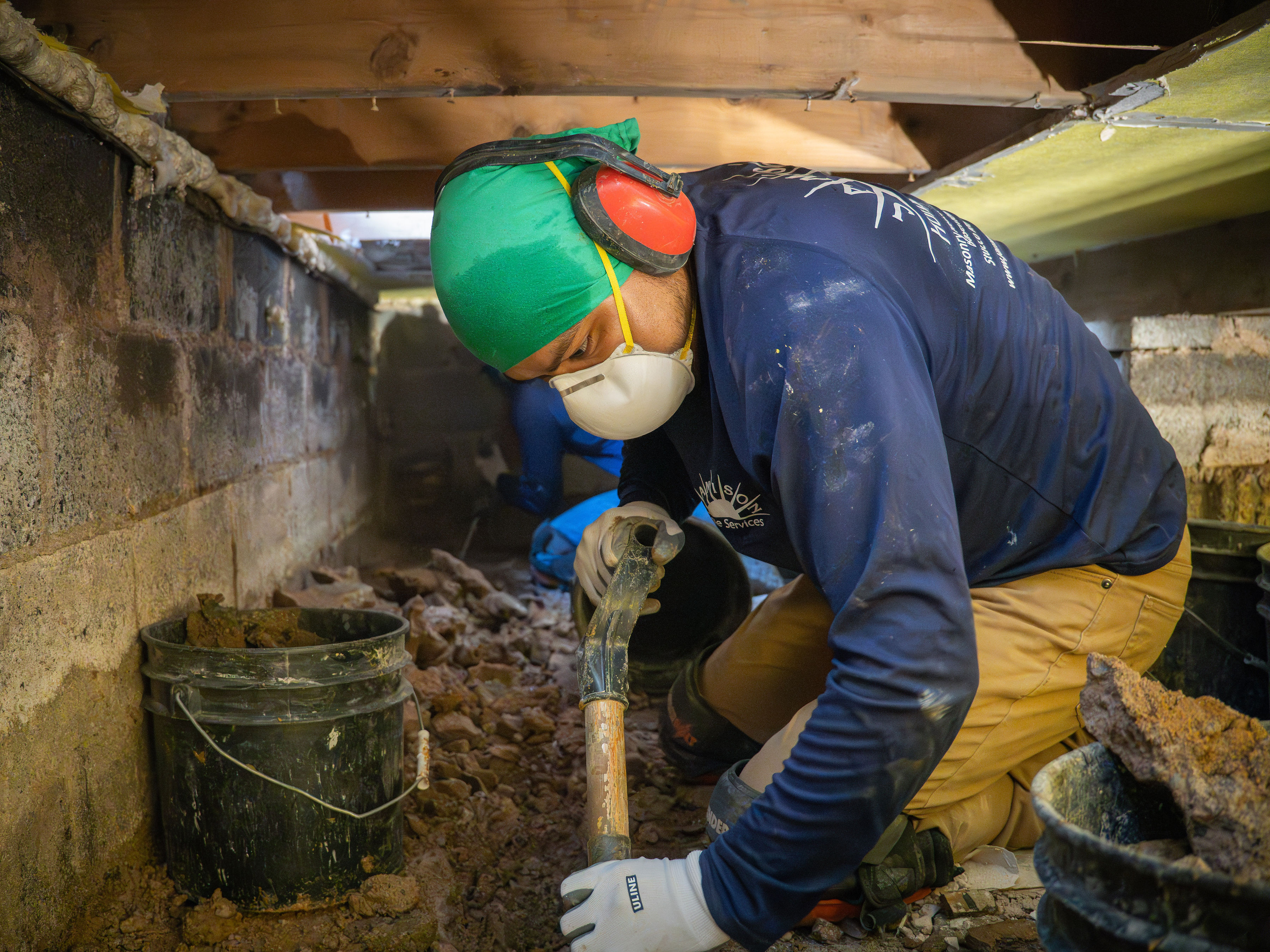
When your crawl space starts to emit a musty odor after spring rain in South Jersey, it signals a specific moisture problem that goes far beyond surface inconveniences. Persistent musty or earthy smells following seasonal rain almost always indicate the presence of excess moisture, active mold growth, or decaying organic matter under your home. This issue can impact not just your crawl space’s condition, but also the air quality and health of your entire house—since up to half the air you breathe on the first floor can originate from your crawl space. Effective, long-lasting solutions almost always require professional-grade assessment and intervention, especially in a damp and variable climate like South Jersey.
Drawing on nearly four decades of local expertise, Jamison Waterproofing helps homeowners across South Jersey, Philadelphia, and beyond pinpoint the causes of musty crawl space odors and develop reliable, long-term strategies for moisture control, mold prevention, and structural protection. Our proven systems and service have earned us 1500+ 5-star reviews for crawl space waterproofing, encapsulation, dehumidification, and drainage management tailored to the region’s unique soil and weather patterns.
Understanding Musty Crawl Space Smells: Definition & Initial Assessment
Musty crawl space smells arise when water, either from saturated ground or humid air, meets organic matter such as exposed dirt, wood, insulation, or debris—triggering the growth of mold, mildew, and bacteria. The odor is a byproduct of these organisms and the breakdown of organic material in a damp environment. During or after spring rains, these odors often intensify as water seeps into, or is trapped within, the crawl space, creating exactly the right conditions for microbial growth.
Smells described as "musty," "earthy," or reminiscent of "old basement" are especially telling; they almost always signify the presence of mold or mildew. Less common but very concerning are smells similar to rotten eggs (possible standing water, sewer gas, or decomposing animals) or ammonia (often linked to rodent contamination).
Step-by-Step Explanation: Why Spring Rain Triggers Musty Crawl Space Odors
- Spring rain saturates the soil around your foundation, especially in low-lying or poorly drained areas typical of South Jersey.
- Water infiltrates the crawl space via dirt floors, wall gaps, cracks, or unsealed vents—common in homes lacking modern encapsulation.
- Humidity levels spike above 60%, creating an environment where mold and bacteria flourish on wood, insulation, and debris.
- Organic matter breaks down in the wet crawl space, releasing gases that cause musty or even foul odors.
- The odors rise into living spaces through floor vents, ductwork, and gaps due to the stack effect, which pulls crawl space air upward as warmer air rises and escapes from the upper levels of the house.
This means South Jersey’s blend of frequent storms and humid air creates a recurring cycle that steadily worsens the problem each spring, especially in homes built before the 1990s that often lack updated drainage or encapsulation systems.
Main Causes of Musty Crawl Space Odors After Spring Rain
- Poor drainage outside the home: Inadequate yard grading, short or clogged downspouts, or missing perimeter drains let surface water run straight into the crawl space.
- Standing water inside the crawl space: Water pooling in low spots, on top of thin or improperly installed vapor barriers, or seeping in through unsealed walls is a direct source of odor and decay.
- High indoor crawl space humidity: RH above 60%—often observed within hours of a heavy rain—supports mold, mildew, and dust mite activity.
- Broken or aging vapor barriers: Torn, bunched, or poorly sealed plastic liners allow soil gases and moisture to bypass, intensifying mustiness.
- Organic debris and contaminated soil: Decaying roots, fallen insulation, old wood, and construction debris speed up odor production when wet.
- Plumbing leaks or sewer backups: These introduce graywater or sewage, creating especially severe odors and immediate health hazards.
- Animals and pests: Rodent droppings, urine, and the remains of trapped animals are potent odor sources mixed into the overall crawl space environment.
Self-Assessment Framework: How to Identify the Source of the Odor
- Detect the Smell: Walk the first floor after rain and identify which areas (over the crawl space versus other rooms) smell musty. Odors stronger near vents or the crawl space access point often indicate a direct link.
- Visual Inspection: Use a flashlight to scan the crawl floor for puddles (reflective or glistening patches are clues), wet insulation, or stained block walls.
- Test for Moisture: Place a paper towel on the dirt (or liner) floor for 15 minutes. If it comes up wet, you have a real moisture problem.
- Check Humidity: Place a digital hygrometer in the crawl space for 24 hours, especially during rain. RH above 50% is risky—above 60% strongly supports mold.
- Examine Barriers and Drainage: Inspect for gaps or tears in vapor barriers, water on or under plastic, and ensure gutters and downspouts route water at least 4–6 feet from your foundation.
Why DIY Fixes Rarely Last in South Jersey
- Home remedies such as baking soda, lime, or store-bought odor absorbers only mask the problem and do not control moisture or mold.
- Portable dehumidifiers typically cannot keep up with the scale of crawl space dampness, and small units often lack effective drainage.
- Opening crawl space vents to "air it out" backfires in humid weather, pulling more moisture inside and accelerating condensation and mold growth.
Best Practices for Eliminating Musty Odors—and Keeping Them Away
- Fix exterior drainage: Maintain gutters, downspouts, and soil grading so rainwater reliably flows away from your foundation.
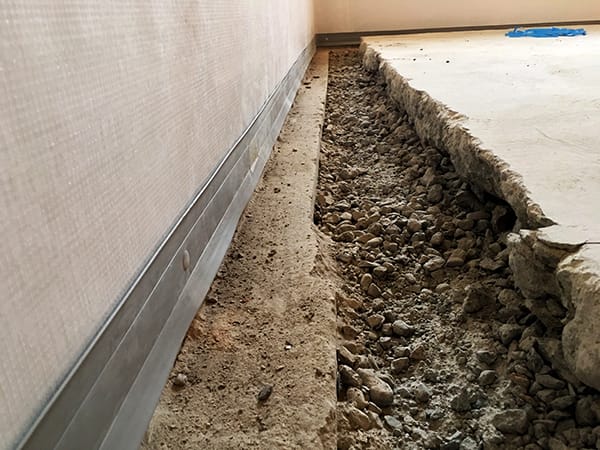
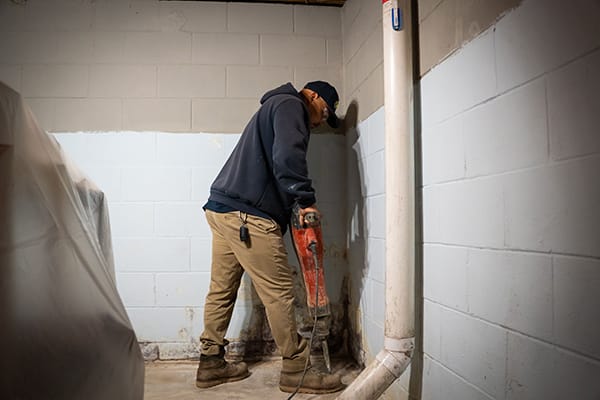
- Install robust drainage inside the crawl space: Systems like French drains, footer drains, and sump pumps move water quickly out before it accumulates. Learn more about French drain installation.
- Remove contaminated materials: Discard wet insulation, old cardboard, and any debris that can harbor mold or bacteria.
- Encapsulate your crawl space: High-quality vapor barriers, like those offered by Jamison, seal out moisture from the soil and walls. Edges, seams, and penetrations should be carefully taped and sealed for best results.
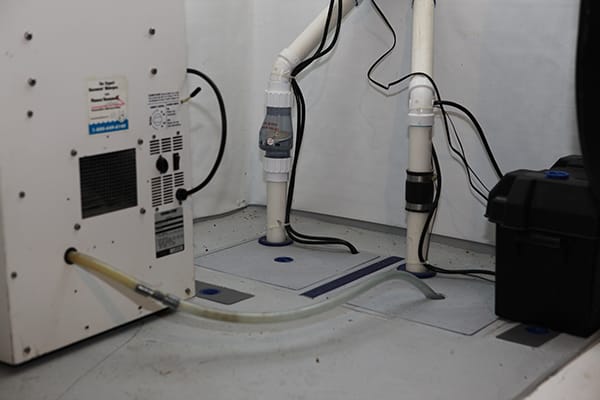
- Seal vents and use dedicated dehumidifiers: Professional crawl space dehumidifiers, sized and installed correctly, keep humidity below 50% year-round and connect directly into the drainage system for automatic operation.
- Annual maintenance: Service sump pumps and dehumidifiers yearly to ensure reliable performance through South Jersey’s harsh spring rains—our maintenance plans are designed for this purpose.
How Jamison Waterproofing Addresses Musty Crawl Spaces in South Jersey
We combine expert diagnosis, engineering-grade products, and regionally-tested techniques to address the full spectrum of crawl space moisture challenges—from poor yard drainage to persistent humidity.
- Free crawl space inspection and written estimates: Includes humidity readings and a custom action plan for your property.
- Drainage design and installation: Tailored systems including exterior and interior drains, sump pumps, and battery backups that work during power outages. We’re exclusive installers for nationally-backed solutions in the tri-state area.
- Vapor barrier and encapsulation: CrawlShield and DimpleShield high-performance liners, expertly sealed and fastened for long-term protection.
- Professional dehumidification: Large-capacity, energy-efficient crawl space dehumidifiers connected to a permanent drainage system, with a written warranty.
- Mold prevention and structural protection: Our approach preserves joists, subfloors, and foundation elements by keeping moisture in check all year.
- Certified, highly rated technicians: See our 1500+ five-star reviews highlighting courteous, thorough, and respectful crews, like this feedback:
- “They cleaned up everything even better than they found it… highly recommend Jamison Waterproofing for any job you need done.”
- “We had a French drain, wall vapor barrier, and new sump pump installed… the smell in my room is gone. Gone gone gone!!”
When to Call a Professional Right Away
Contact a crawl space specialist if you notice any of the following, especially after spring rain:
- Odor persists 48–72 hours after the weather clears
- Visible mold on joists, insulation, or subfloor
- Standing water remains more than 24 hours
- Condensation on ducts or framing
- Exacerbated allergies, asthma, or frequent colds
- Evidence of pests, rodents, or dead animals
- Unmistakable sewer or rotten egg smell
These are not just comfort concerns—they point to deeper health and safety issues and require the type of inspection and solutions that Jamison Waterproofing specializes in.
Frequently Asked Questions
Why does my crawl space only smell musty after rain or storms?
Crawl spaces in South Jersey are vulnerable to major humidity changes and water intrusions following rain. Moisture from outside saturates the dirt and seeps in, triggering mold growth and the release of gases as organic matter decays. With each rain event, the cycle repeats and often intensifies unless the moisture is controlled at its source.
Can I get rid of the musty smell by airing out the crawl space?
No. Opening crawl space vents to bring in outdoor air during the spring and summer typically exacerbates the issue. Warm, humid air from outside condenses on cooler surfaces in the crawl space, increasing moisture and promoting mold and odor development.
Will cleaning out debris and spraying bleach solve the issue?
While removing debris helps, spraying bleach or similar chemicals only treats the surface and does not address the underlying moisture. Odors and mold will return unless humidity and water intrusion are addressed permanently through drainage, encapsulation, and humidity control.
How do I know if my vapor barrier is failing?
Signs include rips, gaps, puddles on or beneath the liner, and an intensifying musty or even chemical odor after rain. A proper vapor barrier must be well-sealed at edges and seams and in good contact with the foundation walls and piers.
What makes Jamison different from other crawl space companies?
We are a family-owned, A+ BBB-rated business with close to 40 years of specific regional experience. We use certified technicians, advanced drainage and encapsulation systems, and nationally-backed warranties. Our 1500+ 5-star reviews reflect our commitment to thorough, high-quality service and long-term customer satisfaction.
Is crawl space encapsulation really necessary for South Jersey homes?
Encapsulation provides continuous protection against soil moisture and humidity, which are ongoing challenges in South Jersey’s climate. When paired with quality drainage and dehumidification, it offers the best long-term safeguard against musty odors, mold, and even structural problems. Our technicians ensure each encapsulated crawl space remains dry, clean, and energy-efficient for years to come.
Conclusion: Protect Your Home, Health, and Comfort
If your crawl space smells musty after every spring rain, know that it is a signal of a correctable, but urgent, moisture problem. Addressing it requires more than surface treatments—South Jersey homes benefit from expert inspection, proper drainage, robust encapsulation, and long-term humidity control. Jamison Waterproofing brings unmatched expertise and service to every job, ensuring your crawl space stays clean, dry, and healthy. For more information, details about crawl space encapsulation, or to schedule your free crawl space inspection and written estimate, contact our team today.
For deeper insight into basement waterproofing value and health risks associated with moisture, see our guides on how basement waterproofing enhances home value and understanding the health risks of basement moisture.