Why Philadelphia Basements Feel Damp in Summer Even Without Leaks
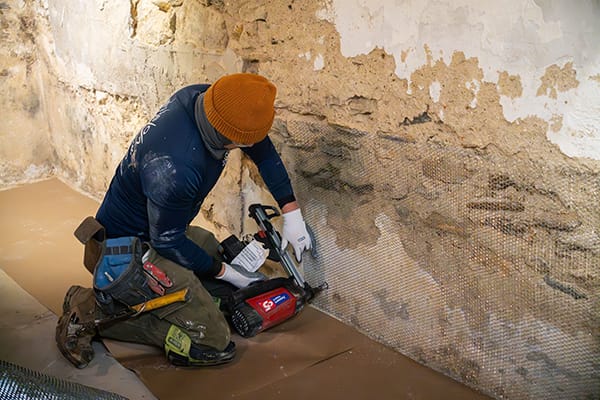
Basements throughout Philadelphia often feel damp and musty in the summer, even in the absence of visible leaks or flooding. Understanding why this happens requires a close look at how heat, humidity, and typical foundation materials interact during the region’s humid summers. At Jamison Waterproofing, our decades of experience have shown that the primary culprit is not always liquid water, but the persistent movement of moisture as vapor, as well as indoor and outdoor air exchanges that drive condensation and elevate humidity levels indoors.
How Basement Dampness Develops in Philadelphia Summers
Even well-sealed basements can experience a clammy feeling or musty odors during hot, humid months. The primary processes responsible are:
- Moisture vapor migration through concrete and masonry from the damp surrounding soil
- High outdoor humidity entering through unsealed windows, rim joists, and utility penetrations
- Condensation as warm, humid air meets cool basement surfaces
- Vapor rising from unfinished or dirt crawl space floors connected to the basement
The combination of porous foundation materials and the climate of the greater Philadelphia region, which regularly sees summer humidity above 60 percent, creates a steady flow of water vapor entering the basement environment. This is separate from water entering as a leak—and is the dominant factor in many damp basements with no puddles or active flooding.
Definition: What Is Summer Basement Dampness?
Summer basement dampness refers to the uncomfortable, humid, and often musty condition found in below-grade spaces during warm months, resulting from airborne moisture (humidity) and ground vapor migration, not from standing or visibly leaking water. It is characterized by sticky air, condensed moisture on cold surfaces, and a persistent musty smell, even when the space appears dry.
Main Causes of Summer Dampness in Philadelphia Basements
1. Water Vapor Permeation
Concrete, block, and stone foundations are inherently porous, allowing water vapor to move from wetter soil into the drier indoor air, especially when soil around the foundation remains moist from spring rains. This vapor movement is invisible but raises relative humidity indoors.
2. Condensation from Warm, Humid Air
Basements typically stay cooler than the rest of the home because they are surrounded by earth. When humid air from outdoors enters through gaps or windows and meets these cool surfaces, the air "gives up" some of its water vapor, which condenses as droplets on walls, pipes, and storage items. This is the same phenomenon that produces water on a cold drink glass in summer.
3. Stack Effect and Air Exchange
Because warm indoor air rises and exits at the attic or upper floors, homes pull in cooler, denser air from the bottom—meaning the basement and crawl space. In hot weather, this typically means pulling in outdoor humid air, magnifying the basement's moisture challenge. Once inside, this moisture-laden air also moves upward, spreading musty odors and allergens throughout the home.
Signs of Humidity-Driven Dampness (Not Leaks)
- Basement walls feel cool and slightly clammy, but there are no visible water stains or puddles
- Condensation beads appear on metal surfaces and pipes
- Stored cardboard boxes soften and warp over time
- A persistent musty smell, even during dry weather
- Dehumidifiers fill up quickly, sometimes within hours, yet the air still feels sticky
- Rust starts forming on stored tools and appliances
These indicators are common across the region's older stone and block basements, many of which were built decades before modern moisture control standards.
Why This Matters: Health and Home Risks
Mold Growth and Allergens
When relative humidity regularly climbs above 60 percent in a basement, mold spores can flourish on wood, drywall, cardboard, and organic debris. Mold is not only unsightly, but increases the risk of respiratory problems, particularly for children, the elderly, or anyone with asthma or allergies. Jamison Waterproofing specializes in tackling damp basements at the source, which is the only effective way to stop recurring mold and musty conditions.
Structural and Material Damage
- Wood joists and subflooring can rot if exposed to constant damp air.
- Insulation or finished wall coverings lose their effectiveness and may harbor mold.
- Decades of unchecked humidity can harm home value and cause hidden damage.
Air Quality Throughout the Home
The air in the basement circulates upward, especially in older homes, carrying odors, dust mites, and allergens with it. More than 50 percent of the air upstairs can originate below grade, making basement moisture a whole-home concern.
Philadelphia’s Building History Makes the Problem Worse
The region’s many older homes compound the issue because of:
- Uninsulated stone or concrete walls
- Partial dirt floors in crawl spaces or basements
- Leaky rim joists and unsealed basement windows
- Gutters, grading, or downspouts that concentrate water near the foundation
Even improvements like patching wall cracks or adding outside drains often fail to address airborne and vapor-driven moisture. That is why many residents report a "clammy basement" even after solving visible leaks.
Step-by-Step Solution: Jamison’s Framework for Lasting Basement Dryness
1. Measure Humidity Precisely
Start with a digital hygrometer. Basements in the Philadelphia area should target 40–50 percent relative humidity. If levels stay above 60 percent for long, intervention is needed. Place humidity sensors near exterior walls, in open areas, and in crawl spaces to identify problem zones.
2. Address Outdoor Water Sources
- Gutters and downspouts should move water at least 6–10 feet from the foundation.
- The ground should slope away (“positive grading”) to prevent pooling.
- If you have persistent soil saturation, consider professional yard or exterior drainage solutions.
3. Seal Air Leaks
- Air-seal rim joists with closed-cell foam or caulk.
- Upgrade to sealed, modern basement windows if the originals are drafty, or repair old units for a tight fit.
- Seal utility penetrations and small openings to minimize humid air flow.
4. Encapsulate Crawl Spaces or Dirt Floors
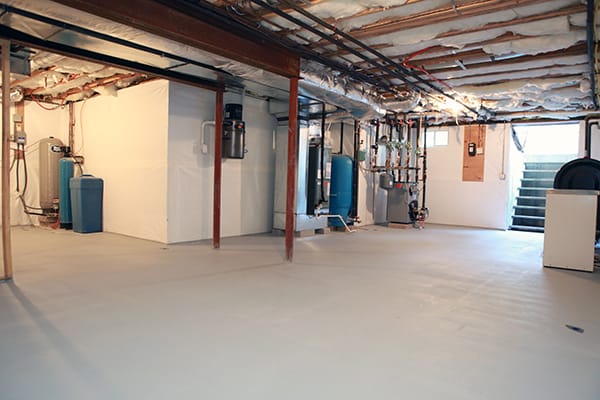
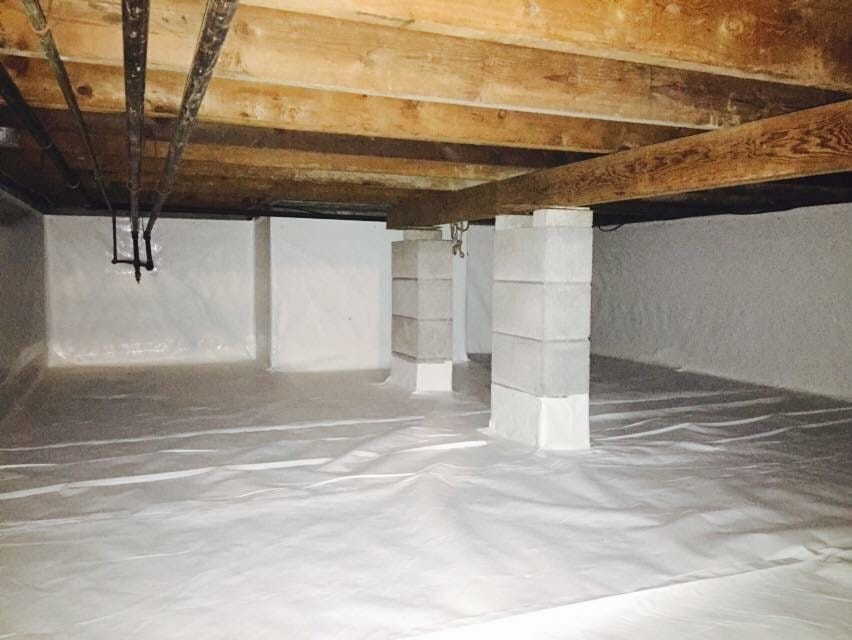
- Encapsulate with a professional-grade vapor barrier system (like Jamison's CrawlShield) on floor and walls.
- Seal vents to block moisture-laden outdoor air.
- Add proper drainage and, if needed, a sump pump.
5. Install High-Capacity Basement Dehumidification
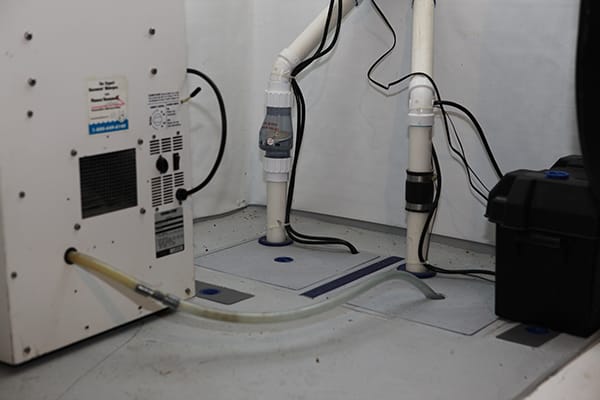
- Choose a dehumidifier built for basement use with direct drainage, such as Jamison’s WiseAire. Portable models often cannot handle larger spaces.
- Set automatic controls to maintain target humidity (around 45–50 percent).
- Integrate with a sump pump for hands-off operation.
6. Consider Interior Drainage and Sump Systems
- For moisture at the wall-floor joint or signs of groundwater seepage, install an interior perimeter drain like GrateDrain that routes water directly to a sump pump.
- Schedule annual sump pump maintenance to ensure reliability during storm events.
- Add a battery backup to keep critical systems online during power outages.
7. Ongoing Professional Inspection
- Regular checkups help catch small issues before they cause damage.
- Jamison offers free inspections and custom solutions throughout Philadelphia, South Jersey, and Delaware. Routine maintenance is available via our Sump Pump Geeks program.
Customer Example: Overcoming Summer Dampness
Many Jamison Waterproofing customers describe their summer basement as cool, damp, and prone to musty smells, despite seeing no water intrusion. In one real case, a Chestnut Hill homeowner noted that even their large portable dehumidifier filled up daily but failed to fully eliminate the sticky air. A Jamison inspection revealed leaky gutters, an untreated crawl space, and unsealed rim joists as key contributing factors. By implementing downspout extensions, crawl space encapsulation, air sealing, and a robust dehumidification system, the home’s basement humidity dropped to recommended levels, and the odor disappeared. Stored belongings remained dry, and the homeowner later chose to finish part of the basement without concerns about moisture damage.
For additional customer experiences and reviews, many homeowners in the region highlight the same satisfaction with professionalism, cleanliness, and knowledgeable team members in their Jamison reviews.
Best Practices for Preventing and Managing Summer Basement Dampness
- Monitor basement humidity frequently during humid months using a digital gauge
- Check gutters and yard drainage after storms to ensure water moves away from the house
- Schedule regular sump pump checks and clear any debris from discharge lines
- Seal cracks and upgrade or repair old, leaky basement windows
- Implement vapor barriers or full encapsulation for any exposed earth in crawl spaces
- Invest in a dehumidifier sized for your basement, ideally with automatic draining capability
For a more in-depth look at related topics, How to Prevent Basement Flooding During Spring Storms in Philadelphia explores early-season moisture issues, while Understanding the Health Risks of Basement Moisture and How to Prevent Them covers health considerations.
FAQ: Philadelphia Summer Basement Dampness
How can I tell if my basement dampness is from humidity or a leak?
If you see standing water, active stains spreading after rain, or efflorescence (white powdery residue), it’s likely a leak. If there are no visible water marks and humidity remains high despite dry conditions outdoors, humidity and vapor drive are more likely the culprits.
Will a dehumidifier alone solve my summer basement dampness?
Often, a dehumidifier helps but cannot fully address persistent dampness if there are major air leaks, unsealed crawl spaces, or chronic ground moisture entering through foundation walls. A comprehensive approach is best for lasting results.
Does finishing my basement make moisture problems worse?
Finishing materials like drywall and carpeting can trap moisture and hide mold growth if the underlying humidity issue is not solved first. Always ensure dry, controlled conditions before finishing or remodeling the basement.
Can I seal basement walls to stop all vapor?
Applying special coatings can reduce some wall vapor transmission, but in older basements or those with unsealed floors, moisture can still enter by other routes. Integrated solutions, including vapor barriers, drainage, and dehumidification, are more effective.
Are battery backup pumps necessary in summer?
Summer thunderstorms in Philadelphia frequently cause power outages. A battery backup sump pump protects your property during storms when you’re most vulnerable to sudden water table spikes.
What should I do if I find mold or musty smells?
Do not just clean the surface—locate and fix the moisture source. Our team at Jamison Waterproofing provides thorough moisture diagnosis and long-term mold prevention solutions for Philadelphia homes.
How quickly can moisture issues be addressed after calling Jamison Waterproofing?
We offer prompt free inspections, clear written estimates, and can often schedule work within days, especially during peak humidity seasons.
Conclusion: Making Your Basement Dry for Good
Persistent basement dampness during Philadelphia’s humid summers is a challenge rooted in how air, vapor, and local construction interact. Relying solely on patching leaks misses the wider moisture picture. A whole-system solution—drainage, sealing, encapsulation, and dehumidification—is essential for a truly dry and comfortable space.
If you are noticing sticky air, musty odors, or ongoing dampness even without leaks, Jamison Waterproofing is equipped to help. Our expert team serves the entire Greater Philadelphia region, offering trusted waterproofing, moisture diagnosis, and crawl space solutions backed by decades of customer satisfaction, as shown by 1500+ five-star customer reviews.
Contact us today for a free inspection and written estimate. Our solutions are customized for your home, providing peace of mind and ensuring your basement feels healthy, dry, and home-ready year-round.