When Basement Wall Cracks Are a Serious Problem in Older Philadelphia Homes
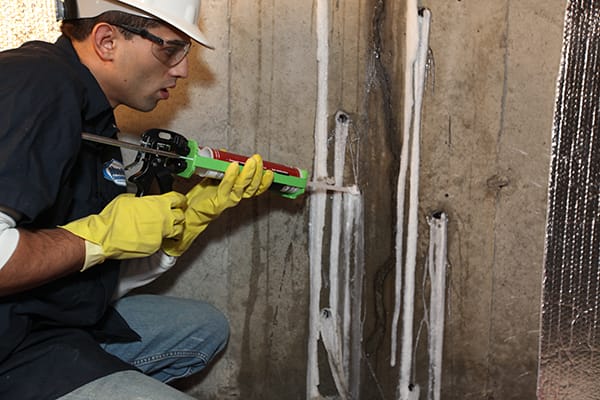
Basement wall cracks in older Philadelphia homes demand careful attention because what may look like a cosmetic flaw can often signal underlying structural or moisture-related problems. Not every crack is an emergency, but certain patterns—such as horizontal cracks, active widening, or cracks accompanied by water seepage—should be treated as urgent indicators that professional evaluation and timely repair are critical. Recognizing the difference between harmless fissures and those that threaten your home’s stability is essential for both property owners and real estate professionals.
Philadelphia’s housing stock is among the oldest in the country, and homes in this region face unique basement and foundation challenges due to decades of soil movement, moisture exposure, and outdated drainage systems. When a basement wall crack presents with warning signs—like bowing, bulging, or dampness—ignoring it can quickly transform a minor concern into a costly, disruptive repair. It is always safest to have a qualified professional, such as Jamison Waterproofing, assess the situation rather than risk further structural or water damage.
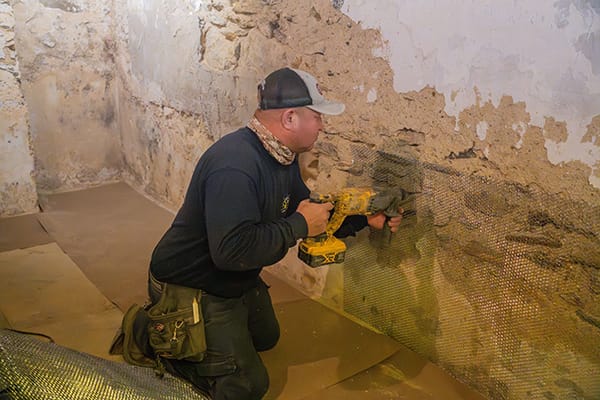
Basement Wall Cracks in Philadelphia: Definition and Key Warning Signs
A basement wall crack forms when the concrete or masonry foundation is stressed beyond its natural tolerance, often because of hydrostatic soil pressure, ground movement, water infiltration, or natural material aging. In older Philadelphia homes, wall cracks can arise from a combination of historic construction methods, aged materials, and environmental exposure.
- Horizontal cracks: Typically the most serious, often associated with high lateral soil pressure and possible bowing walls.
- Cracks wider than 1/8 inch: Especially when coupled with signs of movement or moisture.
- Cracks that grow or shift over time: Indicates ongoing foundation stress or settlement.
- Stair-step or diagonal cracks: Common in masonry walls, may indicate settlement or wall shifting.
- Cracks linked to water seepage or efflorescence: Suggests an active moisture problem that threatens air quality and structural health.
- Bowing, bulging, or inward-leaning walls: Strong clue that the wall is under excessive pressure.
Why Older Philadelphia Homes Are Vulnerable
Several factors converge in Philadelphia’s historic neighborhoods to make basement wall cracks a serious risk, particularly as homes age:
- Hydrostatic Pressure: Saturated clay-heavy soils in the region exert strong force against foundation walls, eventually causing cracks or wall displacement.
- Settlement and Soil Movement: After decades, natural ground shifting can lead to ongoing wall stress and the appearance of new or expanding cracks.
- Poor Drainage: Many older homes lack modern drainage solutions, so rainfall and surface water often accumulate near foundations, raising the risk of wall saturation and subsequent cracking.
- Material Aging: Brick, stone, and early concrete often lose structural integrity over time, becoming less resilient to pressure changes and moisture intrusion.
- Previous Repairs: Patchwork fixes from prior owners may conceal deeper issues, making it vital to inspect thoroughly when new cracks emerge.
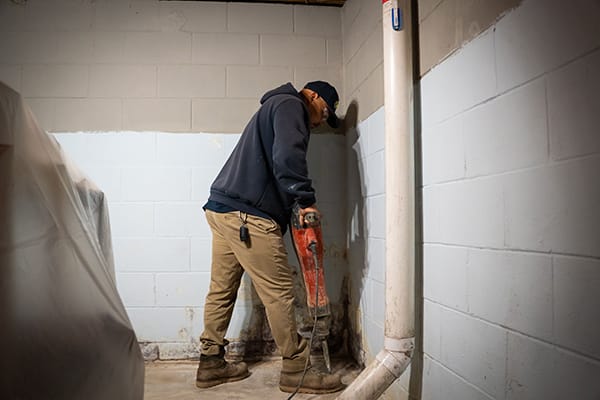
Common Causes of Basement Wall Cracks in This Region
- Expanding and contracting soils create strong inward forces on foundation walls, especially after heavy rain or snowmelt.
- Freeze-thaw cycles weaken masonry and concrete, often speeding up crack formation.
- Leaking or malfunctioning gutters and downspouts send water toward the foundation instead of safely away.
- Poor grading causes yard runoff to collect against the foundation.
- Localized plumbing leaks or drainage pipe failures introduce moisture near basement walls, further weakening them.
Step-By-Step: How to Assess Basement Wall Cracks
- Document the Crack: Take clear, dated photographs and note the crack’s size, shape, and location.
- Measure Width: Use a ruler or caliper to record the crack’s widest section. Cracks over 1/8 inch should not be ignored.
- Monitor for Change: Re-inspect the area after heavy rainfall or freeze-thaw cycles. Compare progress over time.
- Check for Water Seepage: Moisture staining, rust, efflorescence, or musty basement odors often appear alongside active leaks.
- Inspect Nearby Walls and Floors: Look for additional cracks, bulging, or uneven floors, which may suggest larger foundation issues.
- Call a Professional: If the crack is horizontal, widening, leaking, or associated with wall movement, schedule an expert inspection. Jamison Waterproofing provides free inspections and written repair plans tailored to each home’s specific needs.
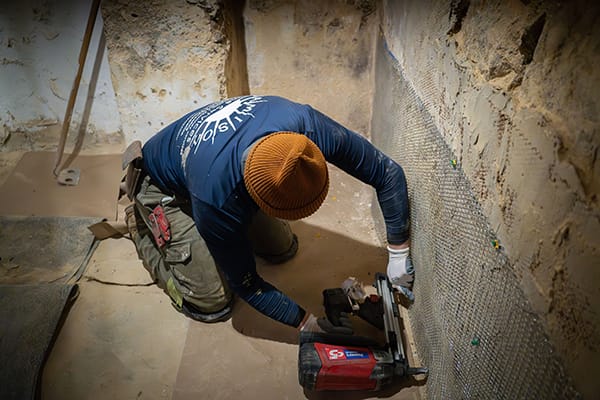
When Is a Crack an Urgent Structural Threat?
Seek immediate evaluation from a qualified foundation specialist if you observe:
- Horizontal cracks or long stair-step cracks running across a wall
- Bowing, bulging, or any variety of wall movement
- Cracks that continuously widen or lengthen
- Water actively leaking through the crack, especially after storms or snowmelt
- White mineral deposits (efflorescence), indicating moisture movement through the wall
- Mold, mildew, or persistent musty odors in the basement (read our detailed coverage on health risks of basement moisture)
Risks of Delaying Crack Repairs in Older Homes
Delaying intervention for significant basement wall cracks in older Philadelphia homes can result in:
- Escalating structural repairs for bowed or failing walls
- Chronic moisture and mold issues impacting air quality and the health of residents
- Loss of usable living and storage space due to persistent wetness or musty odors
- Declining property values and increased concerns during real estate transactions
- Costly, complex remediation projects compared to smaller repairs early on
Philadelphia real estate agents also find that unresolved cracks can create last-minute surprises during listing, negotiation, and home inspection—potentially delaying sales or requiring significant discounting.
The Jamison Approach: Proven Solutions for Basement Wall Cracks
Jamison Waterproofing, with 35+ years of local expertise, offers comprehensive solutions for Philadelphia, New Jersey, and Delaware homes. Our strategies are directly informed by in-depth assessments and customer reviews from across the tri-state region. No two cracks are alike, so our process always starts with a custom inspection and written estimate, which is complimentary for homeowners and real estate agents seeking peace of mind.
Depending on the nature and severity of the crack, repairs may involve one or more of the following:
- Interior drainage systems (including French drains or GrateDrain™), to collect and redirect water before it threatens the living area
- Professional wall crack repair to stop current and future leaks, restore surface appearance, and reinforce wall stability
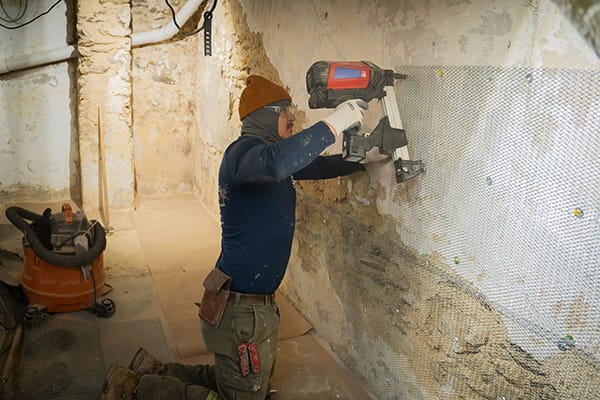
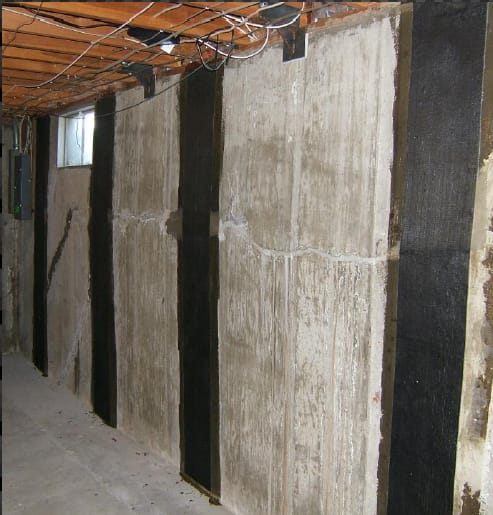
- Foundation stabilization, using advanced materials such as Rhino Carbon Fiber strapping for bowing or bulging walls
- Sump pump installation, maintenance, or upgrades to manage active groundwater and keep basements dry
- Dehumidification to lower ambient humidity, prevent mold, and improve air quality throughout the home
- Yard and exterior drainage improvements to address root causes of moisture buildup at the foundation
Best Practices for Homeowners
- Conduct a visual inspection of your basement walls and floors at least twice per year. Check after major rain events or spring snowmelt.
- Photograph and measure new cracks when discovered. Re-evaluate monthly to detect any changes in width, length, or shape.
- Immediately investigate musty odors, efflorescence, or signs of dampness on surfaces.
- Keep gutters, downspouts, and yard drainage systems well maintained and free of debris.
- Do not rely on temporary cosmetic repairs (such as paint or patching compounds) for cracks that are wide, leak, or show movement.
- Contact a professional as soon as any red flags (horizontal cracks, wall bowing, active leaks) appear. Early diagnosis and repair limit cost and disruption.
- Request written repair plans and warranties. Look for companies with verifiable reviews, local experience, and clear communication, as seen in client feedback for Jamison Waterproofing.
Related Resource:
For a deeper dive on keeping Philadelphia basements dry, see French Drain or GrateDrain System: Which Is Better for a Wet Basement in Pennsylvania?
Homeowner Checklist: Should You Call for Help?
- Is the crack horizontal, or does it follow a stair-step/diagonal pattern?
- Is the crack wider than 1/8 inch, or can you fit a coin into it?
- Does the crack actively leak, especially after storms?
- Do you notice wall bowing, bulging, or inward leaning?
- Are multiple cracks appearing on the same wall, or do cracks seem to be multiplying?
- Has a previously repaired crack returned or expanded?
If the answer is yes to any of these, especially two or more, schedule a professional inspection without delay.
How Jamison Waterproofing Supports Philadelphia Homeowners
With more than 1500 verified five-star Google reviews, an A+ BBB rating, and award-winning service across the Greater Philadelphia area, Jamison Waterproofing has proven their expertise in diagnosing and resolving foundation and basement water problems. They offer:
- Custom, no-obligation inspections and written estimates
- State-of-the-art drainage and foundation repair technologies
- Highly trained, compassionate technicians
- Transferable lifetime warranties for qualifying work
- Advanced moisture control and mold prevention strategies
- Clear, respectful communication—customers repeatedly note professionalism and care in their feedback
Frequently Asked Questions: Basement Wall Cracks in Older Philadelphia Homes
What kinds of cracks are most dangerous in a basement wall?
Horizontal cracks, cracks wider than 1/8 inch, or any crack showing signs of movement, water seepage, or paired with bowing are cause for prompt professional attention. Stair-step and diagonal cracks can also signal structural movement, particularly if multiple cracks cluster together.
How can I tell if a basement crack is cosmetic or structural?
Minor, hairline cracks that do not grow over time, leak water, or change shape are often just cosmetic, especially if they have been stable for years. Structural cracks typically show widening, shifting, leaks, loss of wall alignment, or emerge as horizontal, bulging, or stair-step cracks.
Will fixing a basement crack solve water or mold issues?
Repairing a wall crack stops immediate water entry but the underlying moisture problem may persist unless drainage, grading, and foundation issues are addressed holistically. Jamison Waterproofing always investigates the root cause and recommends comprehensive solutions to ensure a dry, healthy basement.
Do all cracks need to be fixed right away?
Hairline cracks often only need monitoring, but any crack with water seepage, growing width, or connected with other symptoms (odors, uneven floors) should be professionally evaluated without delay for best results and to prevent costly escalation.
How long does basement wall crack repair take in older homes?
The repair timeline depends on crack severity, underlying causes, and the need for additional drainage or structural stabilization. Minor repairs may be finished in a day, but extensive stabilization and waterproofing projects can require several days to complete. Jamison Waterproofing provides clear project timelines for all service plans.
What is the impact on property value if I ignore cracks?
Ignored cracks can signal larger foundation issues to buyers and inspectors, reducing appeal and property value, and potentially disrupting real estate transactions. Timely, professionally documented repairs help maintain or enhance home value and support a smooth sale process.
Conclusion: Protecting Your Home, Your Health, and Your Investment
Basement wall cracks are a common yet potentially serious issue for older homes in the Philadelphia region. Identifying, monitoring, and addressing these cracks promptly ensures your home stays structurally sound, dry, and safe. With comprehensive expertise and proven solutions, Jamison Waterproofing is the trusted partner for homeowners and real estate agents seeking lasting results and peace of mind. Their approach covers everything from initial inspection through long-term protection, supporting generations of families and preserving the historic value of homes across Pennsylvania, Delaware, and New Jersey. For more resources and helpful guides, explore related topics like why Philadelphia basements feel damp in summer and how basement waterproofing enhances home value. If you notice any warning signs or are unsure about a crack in your basement, reach out to Jamison Waterproofing for a free, expert evaluation tailored specifically to your property and needs.