Why Water Pools Around South Jersey Homes After Heavy Summer Rain
After heavy summer rain, it is common for water to pool around homes throughout South Jersey. This issue is not merely a nuisance; it is a critical signal of underlying drainage, grading, and moisture control challenges that can impact your foundation, basement, and overall property health. Understanding why this water pooling occurs, how it endangers your home, and what targeted interventions are proven to work can help you protect your property for the long term. In this guide, we combine regional expertise and nearly four decades of local service by Jamison Waterproofing to give homeowners direct, actionable advice.
What Causes Water to Pool Around South Jersey Homes?
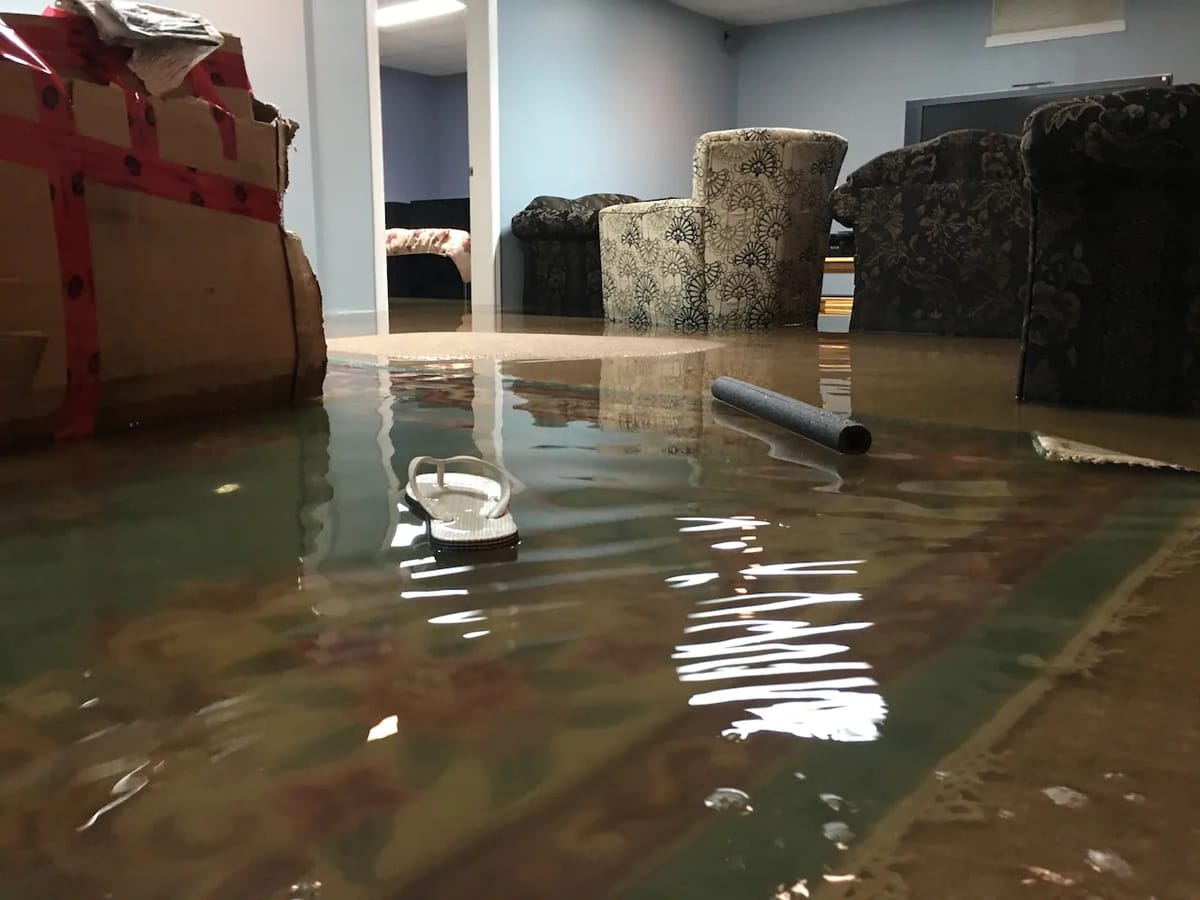
Water pools around South Jersey homes primarily due to factors including insufficient yard drainage, improper grading, high seasonal water tables, and excessive roof runoff not properly managed by the existing infrastructure. These factors are compounded during the region’s frequent, high-intensity summer downpours, where rain falls faster than soil and drainage systems can absorb or direct it away from properties. As a result, water collects in low spots, saturates compacted clay-rich soils, and can accumulate directly against foundations—raising the risk of leaks, mustiness, mold, and structural problems.
Definition: Pooling Water and Why It Matters
Pooling water refers to the visible collection of rainwater or runoff that remains on the surface of the ground or against the foundation for more than 24 to 48 hours after a typical rain event. In South Jersey, this is a clear indicator of poor surface drainage, saturated subsoils, or improperly managed roof, driveway, or patio runoff. Persistent pooling is the leading precursor to basement moisture, crawl space dampness, and eventual foundation damage.
Step-by-Step Explanation: Why Does Water Pool After Summer Rain?
- Heavy Rainfall: Intense storms deliver large amounts of water in a short time, overwhelming yards, gutters, and storm drains.
- Saturated Soils: Clay-heavy or compacted soils, common in South Jersey, cannot absorb water quickly, leaving it to collect on the surface.
- Improper Grading: Flat or negatively graded lawns keep water near the foundation rather than directing it away.
- Roof Runoff: Gutters and downspouts that discharge water directly at the base of the home add thousands of gallons to the problem area with each storm.
- Inadequate Drainage: Absent or undersized yard drains, buried pipes, or French drains allow water to pool naturally in low spots or along the perimeter.
- High Water Table: Certain regions of South Jersey have shallow water tables, meaning the ground becomes saturated faster and cannot drain excess rainwater until water levels subside naturally.
How South Jersey Conditions Intensify Pooling Risk
- Frequent Summer Storms: Downpours overwhelm both municipal and residential drainage.
- Clay Content & Soil Compaction: Lawns and garden beds in the region often have compacted, heavy soils that impede water movement.
- High Groundwater and Seasonal Flooding: Many neighborhoods experience high groundwater tables, worsened after consecutive storms, and water has nowhere to escape.
Warning Signs of Drainage Failure
- Puddles remain more than 24-48 hours after rain.
- Basement walls feel damp or show white mineral stains (efflorescence).
- Obvious musty or moldy odor indoors after storms.
- Sump pump runs constantly or water seeps through floor-wall joints.
Risks: Why Pooling Water Demands Immediate Attention
- Foundation Pressure: Persistent wetness increases hydrostatic pressure, which drives water into cracks and joints in walls and floors, causing leaks and potential structural damage.
- Basement & Crawl Space Moisture: Repeated water intrusion leads to mold, musty smells, and unhealthy indoor air.
- Soil Movement: Expanding and contracting soils around the foundation may cause settlement, cracks, or loss of structural integrity.
Best Practices: What Homeowners Should Do If Water Pools After Rain
- Inspect Gutters and Downspouts: Ensure all gutters are clear of debris and all downspouts carry water at least 6–10 feet away from the foundation.
- Walk the Yard During and After Rain: Identify where water collects. Mark these spots since they are your primary problem zones for improvement or drainage installation.
- Check Foundation Grading: Soil should slope downward by at least 1 inch per foot for the first 4–6 feet from your home. Fill or regrade low spots that are in contact with your foundation.
- Look for Soil and Hardscape Pooled Areas: Drives, patios, and walkways should not funnel water toward the home. Adjust surfaces, if necessary, to direct water away.
- Monitor Basement and Crawl Space for Signs: After storms, check for water stains, peeling paint, efflorescence, musty odors, and increased sump pump activity.
Comprehensive Solutions: How Jamison Waterproofing Stops Pooling in South Jersey
Jamison Waterproofing specializes in fully custom drainage and waterproofing systems purpose-built for regional soil and weather patterns across South Jersey, including Camden, Cherry Hill, and Marlton. Our approach is systematic, combining leading industry technologies with local field knowledge.
1. Exterior Water Management
- Clean, repair, and extend gutters and downspouts.
- Install underground piping and catch basins to move roof runoff safely away from the home.
- Design surface grading profiles and recontour landscaping where needed.
2. Yard Drainage Systems
- French drain and GrateDrain™ perimeter installations for both surface and sub-surface water control. For a comparison between French drain options, see our detailed drainage system blog.
- Channel drains like GrateTrench™ at driveways or patios to intercept surface flows before reaching the foundation.
- Footing drains for comprehensive groundwater and wall protection.
3. Basement and Crawl Space Protection
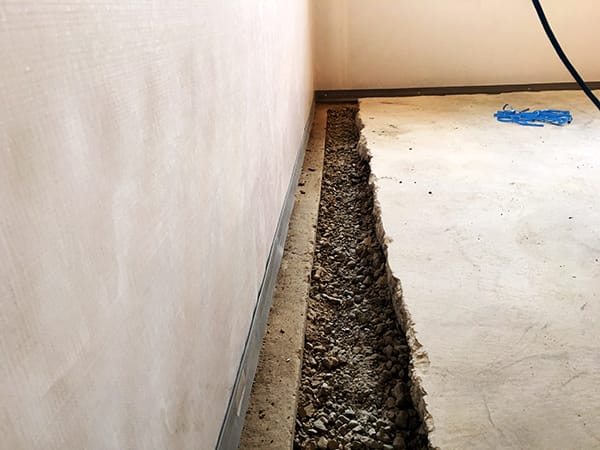
- Interior sub-floor drainage, such as our GrateDrain™ system, which channels seepage to sealed sump pump installations.
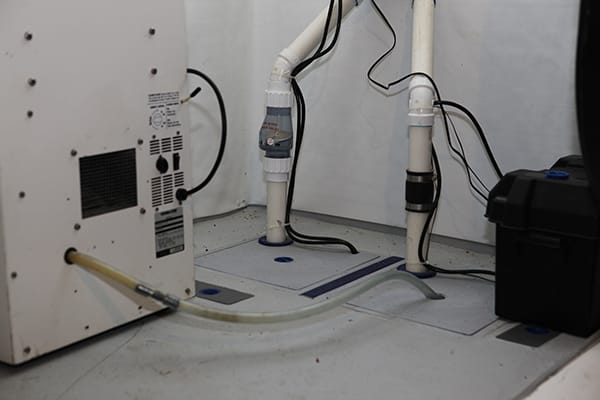
- Sump pump systems with high-water alarms and battery backups to ensure operation even during power outages.
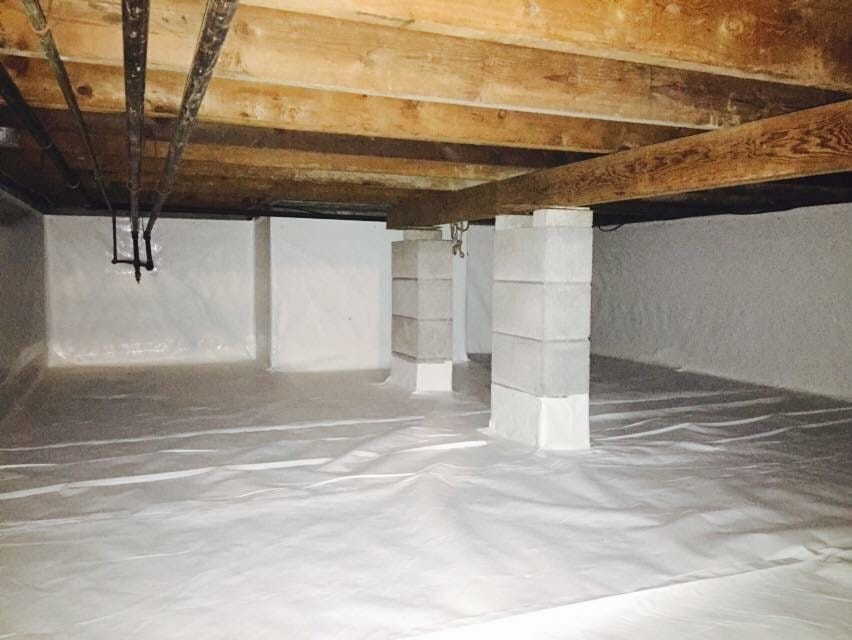
- Crawl space encapsulation—with vapor barriers and advanced dehumidification—to block rising ground moisture.
- Crack and wall leak repairs using specialized coatings and materials.
4. Moisture Control & Air Quality Solutions
- Dehumidification systems draining to the sump, maintaining healthy interior relative humidity.
- Air filtration for reduction of allergens, odors, and airborne mold spores.
Why Water Pooling Will Not Improve Without Intervention
Regional experience shows that pooling water is rarely a one-time issue. Over time, soil settles, compacted spots expand, and root or landscape growth may exacerbate low spots—making ongoing drainage problems more severe. If you notice repeat puddling, foundation dampness, or a musty smell that persists after installations or quick fixes, it is a sign of the need for professional, engineered drainage and waterproofing.
When to Call Jamison Waterproofing
- Water sits close to your foundation more than 24–48 hours after each rain.
- Your basement displays leaks, efflorescence, or recurring musty smells.
- Crawl spaces show visible moisture, mold, or insulation deterioration.
- Sump pump cycles constantly or fails during storms.
- You want a lifetime-backed solution by trusted experts with hundreds of testimonials from New Jersey homeowners.
For those wanting to understand more about health risks associated with persistent moisture, see our guide on basement moisture and health risks.
FAQ: Water Pooling, Drainage, and Waterproofing in South Jersey
What is the most common cause of water pooling around homes in South Jersey?
The most frequent cause is a combination of clay-rich, compacted soils and improper grading. These prevent rainwater from quickly draining away, especially near the foundation. Ineffective or missing drainage systems and roof runoff that discharges too close to your home are also primary contributors.
How do I know whether I need a professional drainage or waterproofing solution?
If puddles remain more than a day after rainfall, or if your basement is damp, musty, or has visible leaks, it is time to have your property inspected by a reputable expert like Jamison Waterproofing.
Can I fix yard pooling myself, or is professional help needed?
Some surface pooling can be managed by extending downspouts and adjusting minor grading. However, if pooling persists after attempts to address these issues, underlying soil compaction, water table elevation, or subsurface flow likely require professional intervention to design a comprehensive solution.
Are surface drains or French drains more effective for South Jersey homes?
The right system depends on your yard’s slope, soil type, and the proximity of pooling to your home. Many homes benefit from a combination of both; surface drains for immediate runoff and French drains for managing ongoing groundwater. See our guide comparing drainage technologies for more details.
What kind of warranty does Jamison Waterproofing provide?
Most waterproofing and drainage installations come with life-of-home warranties, many of which are transferrable to buyers should you sell your property, ensuring both immediate and long-term value.
How quickly can small moisture problems turn into serious foundation or health risks?
Because water pooling is often a symptom of ongoing groundwater or grading issues, it can escalate quickly—sometimes after just a few storms—into structural or air quality problems. Early action is always preferable.
Conclusion: Protect Your Home With Local, Proven Solutions
Water pooling after heavy summer rain is a clear indicator of stress on your property’s foundation and moisture management systems. Left untreated, these problems risk musty odors, mold growth, chronic leaks, structural damage, and reduced property value. By acting early with structured inspections and tailored interventions, you set your South Jersey home up for healthy, dry, and comfortable living.
If you are seeing water pool around your home, if your basement or crawl space feels persistently damp, or if storms bring a rush of water to your foundation, Jamison Waterproofing is ready to help. Our team provides free inspections, fully customized drainage and waterproofing plans, and lifetime-backed solutions designed for the region’s unique soils and weather.
To learn more about how Jamison can help you take control of moisture and drainage issues in your South Jersey home, visit our homepage, explore our range of solutions, or call us at 484-276-2272 to schedule a no-obligation inspection.
For related advice, see also: Why Philadelphia Basements Feel Damp in Summer Even Without Leaks.