How Pennsylvania Clay Soil Can Affect Your Foundation After a Dry Fall
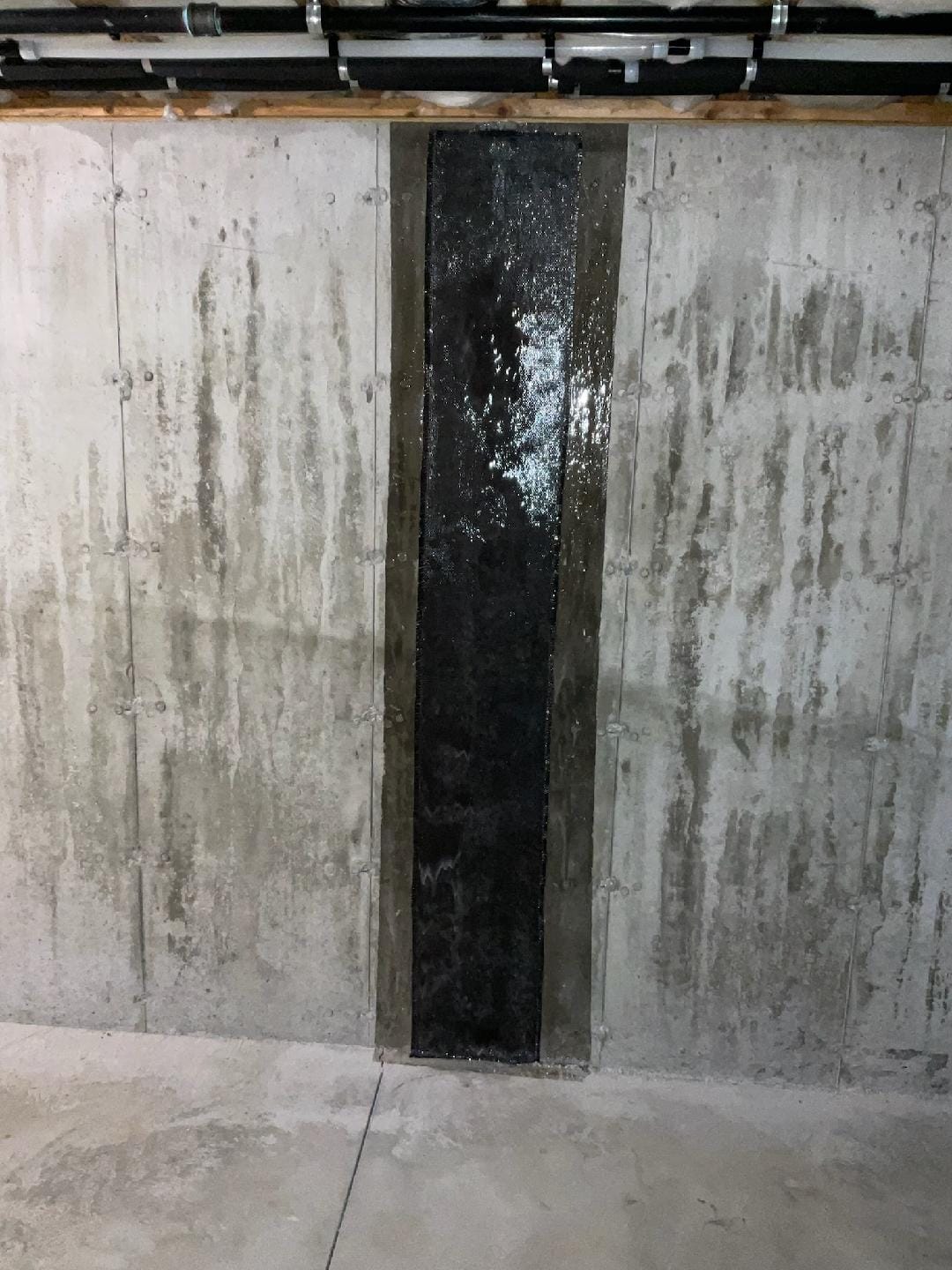
After a dry fall, clay-rich soil around a Pennsylvania home can contract and pull away from the foundation. When rain returns, water may collect beside the wall, enter existing cracks, or saturate soil that then swells and presses against it. If moisture changes unevenly around the house, the ground can also provide uneven support. A dry basement today does not rule out a problem during the next sustained rain.
Not every Pennsylvania property has highly expansive clay, and dry weather alone does not prove that a crack or sticking door was caused by soil movement. The practical response is to check for changes, manage roof and surface water, and distinguish a water-entry problem from a structural one before choosing a repair. For homeowners in the Greater Philadelphia area, Jamison Waterproofing evaluates foundation and basement moisture concerns together, so recommendations can address the conditions visible at the home rather than the season alone.
What clay soil movement means for a foundation
Clay consists of very fine soil particles. Some clay-rich soils change volume as their moisture content changes: they contract as they dry and expand as they take up water. The amount of movement varies with the particular soil, how deeply it dries or wets, site drainage, vegetation, and the foundation's construction. Seeing clay in a yard is not enough to predict that a house will settle or a basement wall will bow.
Two effects matter most to homeowners. Uneven support can develop if soil beneath or near one part of a foundation changes differently from soil elsewhere. Water and lateral pressure can become concerns when rain accumulates beside a basement wall, particularly where drainage is poor. These are related but distinct problems. A drain can manage water without correcting a moving wall, while reinforcing a wall does not necessarily stop water from reaching it.
It also helps to distinguish a footing from the soil beside a wall. A visible gap at ground level shows that surface soil has pulled back. It does not establish that a void has formed beneath the footing, which is typically buried much deeper. Conversely, a foundation can move without a dramatic surface gap. An on-site evaluation is needed to determine what the visible signs mean.
Why a dry fall can change the picture when rain returns
A useful way to assess the seasonal risk is to follow the sequence from dry soil to wet soil, then ask what actually changed at the house.
- Soil loses moisture. During a prolonged dry period, clay-rich soil near the surface may shrink. Cracks can appear in exposed ground, and soil may separate from the exterior foundation wall.
- Water finds a route toward the house. Rain falling into a surface gap, runoff flowing toward the building, or a downspout discharging near the wall can concentrate water there. A gap is a warning to inspect drainage, not proof that water has reached the basement.
- The soil becomes wet again. Moisture may cause susceptible clay to expand. Saturated soil and water accumulation can also increase pressure against a below-grade wall. The response is not necessarily immediate or uniform.
- Existing weaknesses become visible. Water may enter through a wall crack, a wall-floor joint, a window well, or another opening. A wall already under lateral pressure may show new cracking or bowing. Uneven soil movement may show up elsewhere as a sticking door or a crack near an opening.
This sequence describes a possibility, not a diagnosis for every wet basement after a dry fall. Plumbing leaks, faulty window wells, clogged drains, and sump pump problems can produce similar symptoms. The most useful clues are where the water appears, when it appears, and whether the wall or the house is changing shape.
What to inspect outside before the next sustained rain
Look at the ground where it meets the house
Walk the perimeter where you can safely see the soil. Note any new separation beside the foundation, cracks in the ground, erosion, or a depression that appears to direct water toward the wall. Photograph the same locations from consistent angles. If an area changes after rain, that comparison is more informative than a single photograph taken on a dry day.
Do not dig beside a footing to investigate a suspected void. Excavation can disturb soil and buried services, and a surface gap cannot tell you what is happening at footing depth. If the gap is substantial, recurring, or accompanied by cracking in the house, arrange a professional assessment.
Trace roof water and surface runoff
Check for leaves or debris in gutters, overflowing sections, disconnected downspouts, and outlets that release water immediately beside the foundation. Observe where water goes during a safe, ordinary rain. A slope that appears acceptable when dry may still direct concentrated runoff toward a low spot beside the house.
Water from a roof covers a much larger area than the narrow strip of soil where a downspout empties. That makes a poorly placed outlet an important first check. Redirecting it to an appropriate discharge point can reduce concentrated wetting, but the route must not send water back toward the house, onto a neighbor's property, or into an unsuitable outlet. If runoff still collects by the wall, yard drainage may need evaluation.
Inspect wells, entries, and visible masonry
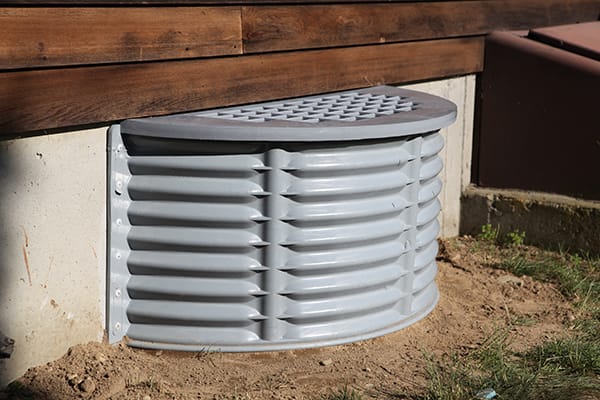
Clear accessible debris from window wells and basement entryways. Look for standing water, blocked drains, damaged covers, or openings around windows. These locations can leak after rain even when the surrounding clay is not the primary cause. If a below-grade entrance floods, its drainage needs separate attention from the foundation wall. Our guide to basement stairwell flooding during fall rain explains why that distinction matters.
Also look at exposed foundation surfaces and exterior masonry for new or widening cracks. A crack's direction, location, and progression matter more than an isolated guess about its width. Record what you see rather than assuming every small crack signals settlement.
What basement and living-space signs tell you
An inspection indoors helps separate moisture entry from possible structural movement. Start with unfinished areas where the wall, floor, and wall-floor joint are visible. Then look at rooms above for changes that appeared around the same time.
- Water staining or seepage after rain: Note whether it starts at a wall crack, the wall-floor joint, a window, or a specific corner. The entry point guides the next investigation, although water can travel before it becomes visible.
- Efflorescence: White mineral deposits on masonry indicate that moisture has moved through the material. They do not, by themselves, identify the current water source or establish structural damage.
- Musty odors or recurring dampness: These warrant a moisture check, even without a visible puddle. Condensation and groundwater intrusion call for different responses.
- Horizontal cracking or inward wall movement: A bowed, bulging, or leaning wall warrants prompt professional attention. Lateral soil pressure is one possible contributor, and covering the wall will not determine the cause.
- Stair-step or diagonal cracks and sticking doors: When several changes appear together, uneven foundation movement may be a concern. A single sticking door can have another explanation, so compare it with the rest of the house.
- A sump pump that fails to remove incoming water: The pump, discharge, or drainage feeding the pit may need inspection. A pump that runs during rain is not automatically defective; its job is to remove collected water.
Photograph cracks with an object for scale and note whether they leak, widen, or change after wet weather. Avoid concealing active symptoms behind finishes until the moisture source and any movement have been evaluated. If you are unsure whether a wall crack is serious, see our closer look at basement wall cracks in older Philadelphia homes.
How we separate a drainage problem from a foundation repair problem
The right repair depends on what is happening, not simply on whether the yard contains clay. At Jamison Waterproofing, the useful starting point is to connect three observations: where water is going, where the structure shows movement, and when each symptom appears. That framework prevents a common mistake, treating every crack as a waterproofing job or every leak as proof of foundation failure.
Water appears, but the wall shows no apparent movement
If water enters at the wall-floor joint after rain, the first questions concern runoff, groundwater, existing drainage, and the sump system. An interior drainage system may collect water and direct it to a sump pump where appropriate. Exterior water management may also be needed. Neither option should be selected solely because the basement floor feels damp.
If a single wall crack leaks, the crack itself may be repairable, but the amount and route of water outside still matter. Sealing a visible entry point without assessing recurring pressure can leave other paths unaddressed. Water through a window well or entryway calls for inspection of that opening and its drainage rather than an automatic full-perimeter installation.
The wall bows, or cracking suggests movement
A wall leaning inward, a widening horizontal crack, or masonry displacement raises a structural question. Foundation repair and stabilization may be appropriate depending on the wall and site conditions. Jamison Waterproofing provides anchors, braces, and carbon fiber reinforcement for certain foundation concerns, along with drainage and waterproofing services. These methods are not interchangeable: the wall condition and cause of movement must guide the choice. Our comparison of carbon fiber straps and wall anchors for bowing walls covers the distinction in more detail.
Structural work and water management may both be necessary. Stabilizing a wall does not redirect roof runoff, while installing a sump pump does not stabilize a wall that is moving. When movement is pronounced, progressing, or accompanied by significant separation in the house, seek a qualified structural evaluation before making cosmetic repairs.
Floors or openings change, but the basement stays dry
A dry basement does not rule out uneven support. If doors become difficult to latch, cracks develop around openings, and floors seem uneven, document whether the changes are new and whether they occur in the same portion of the home. Do not assume a perimeter drain will solve those symptoms. They require an assessment of the structure, soil conditions, and other possible causes.
Best practices for a clay-rich site after dry weather
The goal is not to keep soil permanently dry or permanently wet. Homeowners have limited control over subsurface moisture. The goal is to avoid concentrating water at the foundation, maintain systems that manage it, and recognize changes early.
- Keep gutters clear and downspouts connected. Check them after leaves fall and after storms that leave debris behind. Watch for overflow during rain rather than relying only on a dry-weather inspection.
- Prevent water from collecting beside the wall. Address low spots and routes that send runoff toward the house. A drainage design should account for where collected water will safely discharge.
- Avoid abruptly flooding a soil gap. Pouring large amounts of water beside a dry foundation is not a reliable way to reverse soil movement and could increase water pressure or leakage. If irrigation is needed for landscaping, keep it controlled and avoid spraying foundation openings.
- Inspect openings separately. Window wells, basement doors, utility penetrations, and visible wall cracks can each provide a route for water. Fixing one does not necessarily fix another.
- Keep an existing sump system serviceable. Look for alarms, unusual operation, a blocked discharge, or an obvious power problem. Follow the pump manufacturer's instructions for testing, and consider professional maintenance if you cannot confirm that the system works. A battery backup can provide protection during an outage, but it does not replace a functioning primary system or adequate drainage.
- Recheck after rain. A dry-day inspection establishes a baseline; the next wet period shows where water actually collects or enters. Update your photographs and notes if a crack, gap, or leak changes.
Where runoff remains a problem despite basic maintenance, Jamison Waterproofing can assess exterior drainage, footing drains, interior drains, and sump pump options as applicable. A property with visible wall movement also needs the structural concern addressed, not merely a drier floor.
When to arrange an inspection promptly
Call a qualified professional rather than waiting for another season if a basement wall is bowing or leaning, a horizontal crack is developing, a crack is visibly widening, or water repeatedly enters through a foundation opening. New combinations of symptoms, such as masonry cracking alongside sticking doors and uneven floors, also deserve attention. If water approaches electrical equipment or conditions are unsafe, avoid the area and seek appropriate help.
For a surface soil gap with no other symptoms, start by documenting it and checking whether downspouts or grading direct water into it. The presence of the gap alone does not establish the need for foundation stabilization. If it recurs or appears with wall movement, an inspection can determine what else needs evaluation.
Frequently asked questions
Can a dry fall cause foundation cracks in Pennsylvania?
Dry conditions can contribute when susceptible clay-rich soil contracts and changes support or pulls away from a foundation. A new crack cannot be attributed to the weather without considering its location, pattern, progression, and the home's drainage and construction.
Why might the basement leak only when rain returns?
Rain may collect near the wall after a dry spell and enter through an existing crack, wall-floor joint, window well, or other opening. Saturated soil can also add pressure beside the foundation. The location and timing of the leak help distinguish these possibilities from plumbing or condensation.
Does a gap between soil and the foundation mean the footing has no support?
No. A visible surface gap shows separation at the surface, not necessarily beneath the buried footing. Do not infer footing conditions from that gap alone. Document it, manage runoff, and have related cracking or settlement assessed.
Should I fill the gap with soil?
First determine whether water is being directed into it and whether the surrounding grade sends runoff toward the house. Loose fill by itself may settle and leave the drainage problem unchanged. For a recurring or changing gap, ask a professional how to restore the grade without trapping water against the wall.
Will a French drain stop clay soil from expanding?
No drain can stop all moisture-related soil movement. A properly chosen drainage system manages water along a designed route; it does not replace structural stabilization when a wall is moving. The best approach depends on whether the principal issue is runoff, basement seepage, wall pressure, or a combination. See our guide to French drains and GrateDrain systems for wet Pennsylvania basements for more on interior water management.
Can a sump pump protect a foundation after a dry fall?
A sump pump can remove water collected by its pit and connected drainage system, helping manage basement water. It cannot correct poor grading, prevent all soil movement, or straighten a bowed wall. Its value depends on the water source and whether the complete system is working.
What signs suggest I need foundation repair rather than crack sealing?
Bowing or leaning walls, a widening horizontal crack, displaced masonry, or several signs of uneven movement call for structural evaluation before cosmetic sealing. A leaking crack with no apparent movement may have a different repair path, but its water source still needs attention.
Should I finish a basement while these symptoms are unresolved?
It is better to investigate active leaks and suspected movement first. Finishes can hide the wall-floor joint, cracks, and moisture staining, making later diagnosis and repair more disruptive. Address water control and any structural concerns before covering the surfaces.
Pay attention to the transition from dry ground to wet ground
The important question after a dry fall is not simply whether your yard contains clay. It is whether soil, runoff, basement moisture, or the structure has changed as conditions turn wet. Start with gutters, grading, and a careful look at visible walls. Keep a record of new symptoms, then choose repairs based on the water path and any confirmed movement.
If you see recurring seepage, foundation cracks, or a wall that appears to be shifting, Jamison Waterproofing's foundation repair team can assess the concern alongside basement drainage and waterproofing needs. We serve homeowners across the Greater Philadelphia area and offer free inspections and written estimates. Call 484-276-2272 to discuss what you have observed.