Why Water Comes Up Through Basement Floors After Heavy Rain in Philadelphia
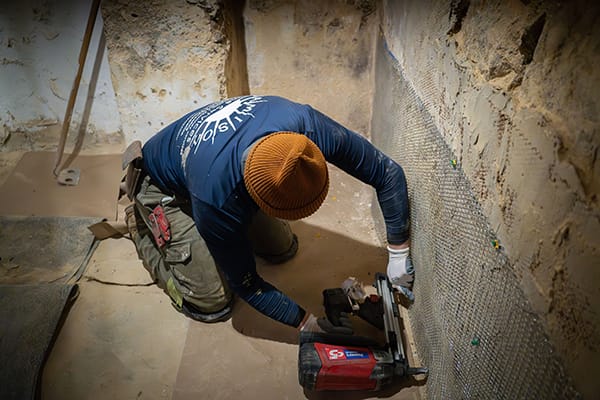
Seeing water come up through your basement floor after heavy rain in Philadelphia is a clear sign of underlying foundation and groundwater issues specific to our region. This is a common concern faced by homeowners throughout Greater Philadelphia, and understanding the causes is essential to achieving a reliable, long-term solution.
The primary reason water emerges through the basement floor after storms is hydrostatic pressure. When saturated soil surrounds the foundation and cannot absorb more rainfall, groundwater is pushed up through any available cracks, porous areas, or construction joints, seeking the path of least resistance into your basement. This problem is worsened by the age of many Philadelphia homes, changes in local weather patterns, and drainage challenges common in our neighborhoods.
Definition: Water Intrusion Through Basement Floors
Water intrusion through your basement floor refers to the phenomenon where groundwater visibly emerges from beneath the concrete slab. In Philadelphia, this typically occurs after intense rainfall saturates the surrounding soil, increasing hydrostatic pressure beneath the foundation. This pressure forces water up through cracks, cove joints (where the wall meets the floor), or directly through aged, porous concrete.
Key Factors Behind Basement Floor Water in Philadelphia
- Hydrostatic Pressure: The main culprit. Heavy rain saturates the ground, and water is forced into the basement through any path it can find.
- Porous or Cracked Foundations: Older stone, brick, or early concrete foundations in Philadelphia are prone to hairline fractures and porous areas.
- High Water Tables & Poor Grading: Homes near creeks, rivers, or with settled landscaping are especially at risk.
- Drainage System Failures: Inadequate or clogged subfloor drains and malfunctioning sump pumps increase the likelihood of water rising through the floor.
- City Sewer Backups: During exceptionally heavy rain, overwhelmed municipal sewers can cause water or sewage to back up through basement floor drains.
Step-by-Step Framework: Diagnosing the Cause
- Identify Water Pathways: Examine your basement for cracks, cove joint leaks, or seepage near drains after rainfall.
- Test Your Sump Pump: Ensure it operates during and after storms. Listen for running sounds and check for water removal.
- Check Outside Drainage: Inspect gutters, downspouts, and yard grading to verify water is directed away from the foundation.
- Monitor Timing & Severity: Note if leaks occur only after heavy rain or during moderate rainfall as well—persistent leaks may signal chronic foundation or groundwater issues.
- Seek a Professional Inspection: Partner with an expert like Jamison Waterproofing for a thorough evaluation of your foundation, internal systems, and exterior drainage.
Top Entry Points for Basement Floor Water
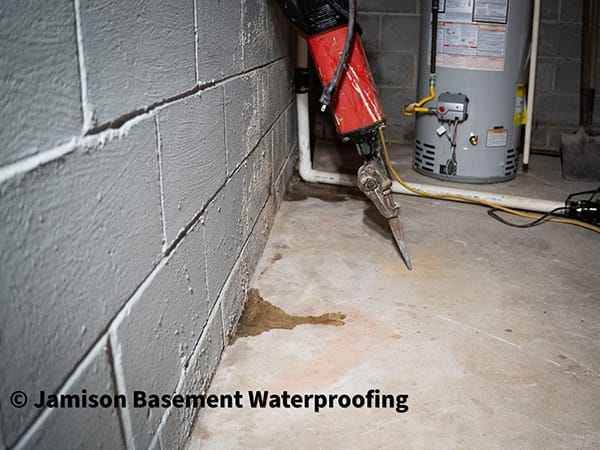
- Hairline Cracks: Concrete floor cracks from settling, curing, or freeze/thaw cycles are common entry points during rain events.
- Cove Joints: The seam where the wall meets the floor is particularly vulnerable under pressure.
- Porous Slabs: Older foundations or degraded concrete may allow water to seep directly through the slab.
- Drains & Plumbing: Floor drains, sump crocks, and under-slab plumbing can also become water pathways, especially if the municipal system is overwhelmed.
Why Philadelphia Basements Are So Prone to This Issue
Our region’s unique blend of older housing stock, changing yard slopes, higher frequency of intense downpours, and evolving city infrastructure means that water management challenges are more complicated than in newer developments. Many Philadelphia homes were constructed before robust waterproofing practices were commonplace, compounding risk factors such as:
- Aging stone, brick, or concrete construction with high permeability
- Localized high water tables from proximity to rivers or creeks
- Poor exterior grading or outdated gutter systems
- Insufficient or deteriorated basement drainage installations
Jamison Waterproofing’s Solutions: Industry-Leading Expertise
Jamison Waterproofing has set the regional standard in basement water management for decades with solutions tailored to Philadelphia’s distinct conditions. Our approach addresses the source, symptoms, and ongoing risks of groundwater intrusion.
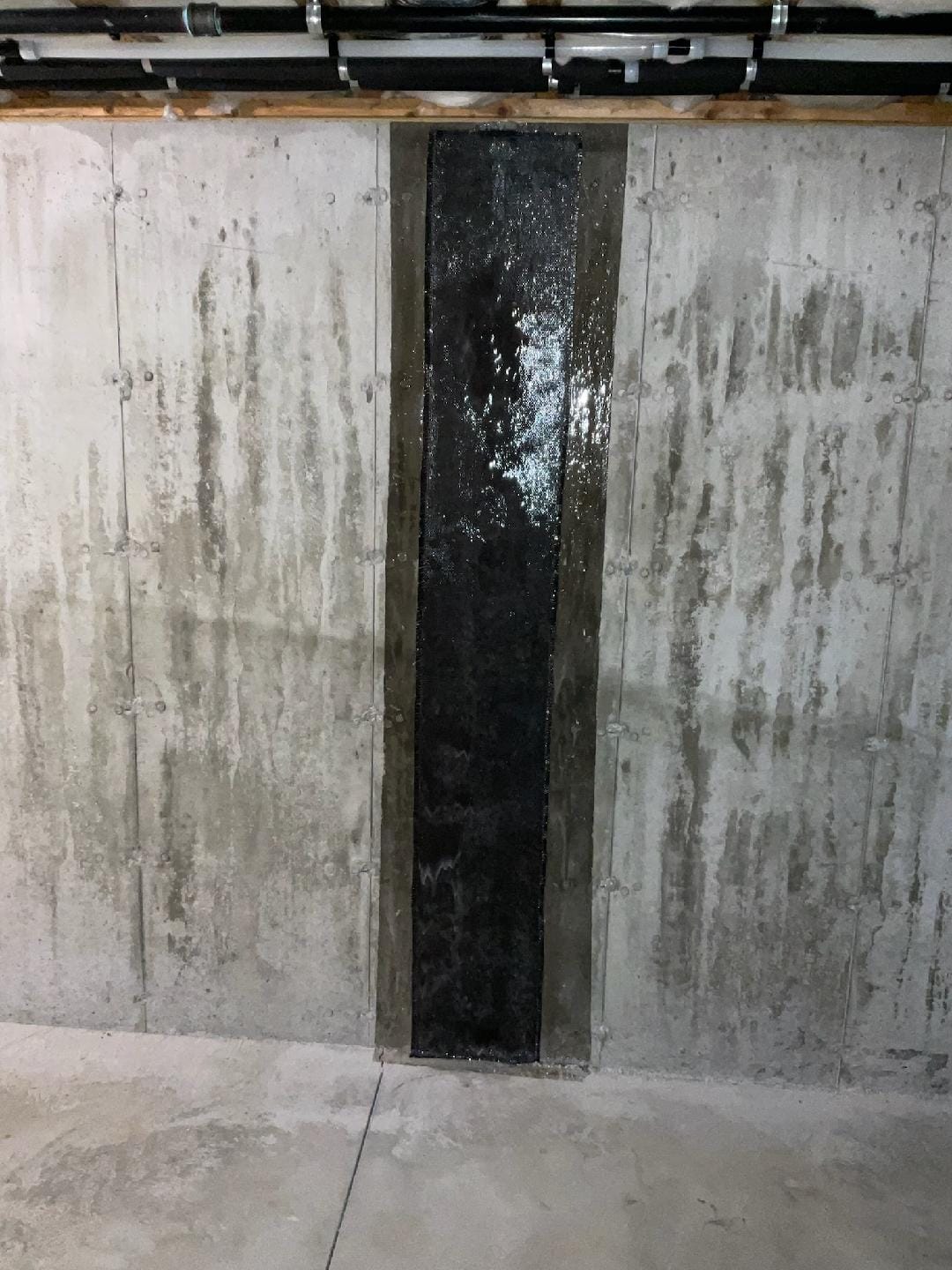
Subfloor Drainage Systems
- Our closed subfloor drainage solutions—including the perimeter GrateDrain™ system—intercept water before it reaches your floor surface, redirecting it safely to a sump pump.
- Installation is customized to address foundation type, water table level, and unique property layout.
Sump Pump Systems and Battery Backup
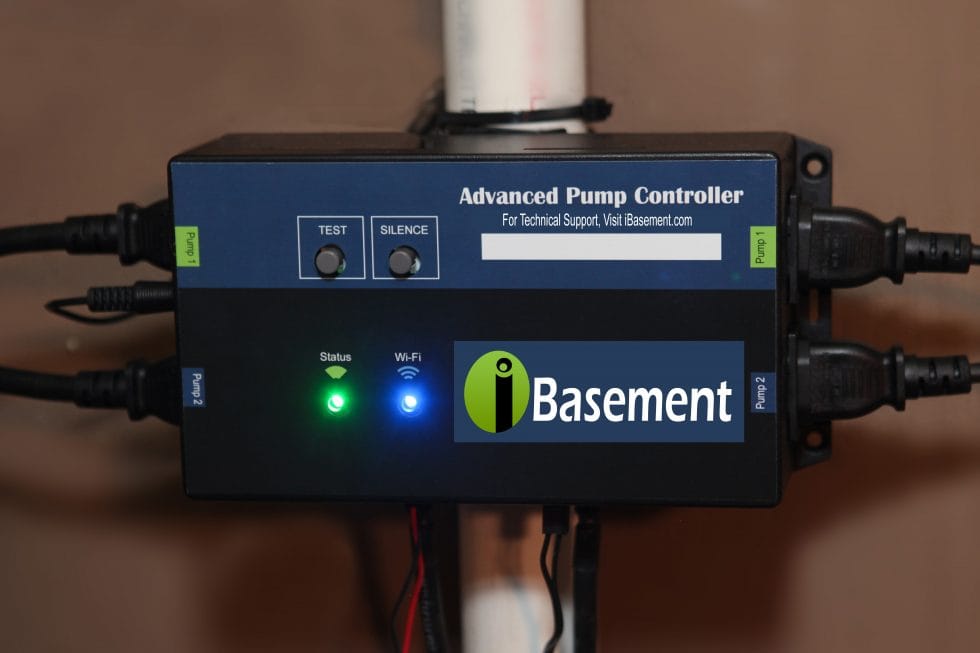
- Sump pumps are the backbone of effective basement waterproofing. Our GrateSump system and backup solutions ensure reliable water removal—even in storms with power outages.
- Ongoing maintenance plans (offered via Sump Pump Geeks) eliminate the risk of mechanical failure during critical rain events.
Exterior and Yard Drainage Improvements
- We specialize in yard drainage systems, downspout extensions, and entryway drainage to cut down on soil saturation and hydrostatic pressure during storms.
Crack Repair and Wall Stabilization
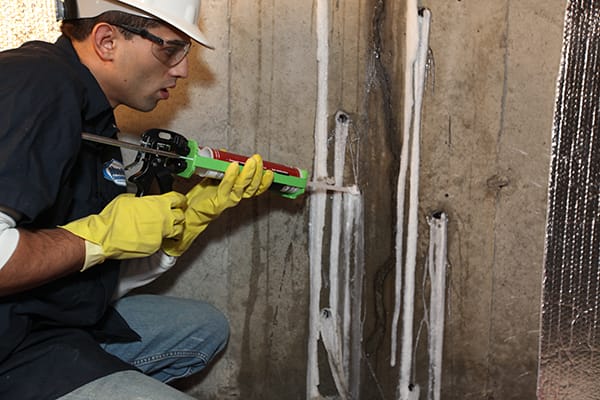
- Structural repairs, including wall crack injection and advanced strapping methods, address leaks and restore foundation integrity for the long term.
Moisture Control and Dehumidification
- Even after physical leaks are addressed, moisture lingers in basements. Dehumidification systems drain automatically and keep the environment dry, protecting air quality and preventing mold growth.
Case Study: Real Philadelphia Basement Success
In a reported local case, water was actively seeping up through an old concrete basement floor during heavy thunderstorms. The Jamison Waterproofing team discovered multiple hairline cracks, a leaking cove joint, gutters dumping near the foundation, and an undersized, unreliable sump pump.
- We installed a full perimeter GrateDrain system under the slab, connected a new high-quality GrateSump with battery backup, extended downspouts, and re-graded the yard.
- The result: No water intrusions or floor seepage during subsequent storms, according to homeowner reports.
Dozens of homeowner testimonials across Philadelphia and neighboring regions echo reliable results, expert communication, and transformative improvements to both property and peace of mind.
Best Practices for Prevention and Risk Reduction
- Maintain gutters and regularly extend downspouts at least several feet from foundation walls.
- Inspect your basement after every major storm for signs of new cracks or water stains.
- Test sump pump discharge before and during storm seasons, and consider annual professional maintenance.
- Address any signs of musty odor right away, as lingering high humidity indicates ongoing, sometimes hidden, water issues.
- Schedule proactive inspections, particularly for older Philadelphia properties or those with a history of water intrusion.
For more strategies tailored to the Philadelphia area, see our guides: Why Philadelphia Basements Feel Damp in Summer Even Without Leaks and How to Prevent Basement Flooding During Spring Storms in Philadelphia.
Frequently Asked Questions (FAQ)
Why does my basement only leak after certain storms?
Typically, leaks that appear only after intense rain are caused by hydrostatic pressure overwhelming your foundation’s resistance, combined with water table and drainage factors specific to heavier precipitation.
Is water coming up through the floor a structural risk?
Chronic water intrusion can erode foundation materials, foster mold growth, and cause costly long-term structural or air quality issues. Professional evaluation is the best way to determine actual risk.
Can waterproofing fix basement floor leaks for good?
With proper design—subfloor drainage, pump systems, structural repairs, and exterior water management—comprehensive waterproofing largely eliminates basement floor seepage, even during record storms.
What if water is also backing up through my basement drain?
This can indicate a municipal sewer backup in addition to groundwater problems. Both issues can overlap, requiring different solutions for permanent control.
Is DIY floor crack sealing enough?
DIY repairs may temporarily reduce visible leaks, but without addressing subfloor water pressure and foundation vulnerabilities, water typically finds new entry points. Professional systems are needed for long-term results.
Is a battery backup sump pump really needed?
Since heavy storms also cause power outages in Philadelphia, a backup pump is strongly recommended to prevent sudden pump failures that can lead to rapid flooding.
Should I get a professional inspection even if leaks seem minor?
Absolutely. Early intervention prevents worsening leaks and larger structural, mold, or property value problems. An expert assessment provides peace of mind and an actionable plan.
Conclusion
Water rising through basement floors after heavy rain is one of the most urgent and widespread maintenance issues in Philadelphia homes. The solution requires expert diagnosis and intervention, not just do-it-yourself patching. As a local leader with nearly four decades of proven results, Jamison Waterproofing delivers peace of mind and industry-best guarantees—whether you are a homeowner or real estate professional. To protect your home’s health, value, and longevity, schedule a free inspection with our team today or explore our basement waterproofing services in detail for custom solutions built for Philadelphia’s unique conditions.
If you would like more resources, visit our blog on When Basement Wall Cracks Are a Serious Problem in Older Philadelphia Homes or browse all blog topics for in-depth advice.
Ready to reclaim your dry, healthy basement? Call our award-winning team at 484-276-2272 or schedule your free inspection via our website.