What Causes Basement Window Wells to Fill With Water in South Jersey?
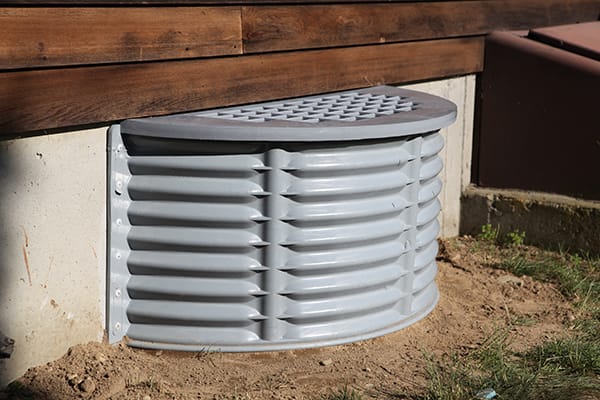
Basement window wells in South Jersey are particularly prone to filling with water due to a combination of local soil conditions, regional weather patterns, and the specific way window wells are constructed. The most common underlying causes include clogged drainage, improper grading, poorly directed roof runoff, deteriorating well materials, and soil that retains moisture. Each factor can independently allow water to pool in the well or, combined, quickly lead to leaks and even flooding in your basement if unaddressed. These issues can develop in both older homes and newer construction, but are especially prevalent in established neighborhoods across Burlington, Camden, Gloucester, and Atlantic counties.
If you notice standing water in your window wells after rain, or if you experience musty odors, damp spots, or visible leaks below your basement windows, these are strong indicators that your home is experiencing foundation moisture stress. Over time, this can result in window leaks, wall cracks, mold growth, and extensive property damage. Professional intervention by Jamison Waterproofing can identify the exact cause and design a tailored solution that permanently protects your basement and your home’s value.
What Is a Basement Window Well?
A basement window well is a semi-circular or rectangular barrier installed outside a basement window, retaining soil and allowing natural light and ventilation into below-grade spaces. Properly designed wells incorporate drainage—typically a gravel bed and a vertical drain pipe—so that rain and runoff are safely channeled away from the window and foundation. Without working drainage, the well essentially becomes a bowl, collecting water until it rises high enough to seep or pour into your basement.
The Most Common Causes of Window Wells Filling with Water in South Jersey
1. Clogged, Absent, or Failed Window Well Drains
- Clogged drains are the leading culprit. Leaves, dirt, mulch, and even roots can obstruct the small drain at the well's base, stopping water from exiting the well.
- No drain present: Many older homes lack a proper drain, relying only on soil absorption, which fails during storms or in clay-heavy New Jersey soils.
- Collapsed or separated drainpipes can also cut off water flow, sending it back against your basement window or wall.
2. Improper Grading and Landscaping
- When the soil slopes toward the house, or when landscape beds are built higher than the well, rainwater flows directly into the well basin.
- Settled or compacted soil against the foundation can create channels guiding more runoff to the window wells.
- Hardscape elements like walkways or patios sloped incorrectly can exacerbate this problem.
3. Misdirected Roof Runoff
- Clogged, undersized, or poorly positioned gutters and downspouts often discharge water next to basement windows. A single moderate storm can send hundreds of gallons into your window wells if downspouts don’t carry water at least 6-10 feet away from your foundation.
- Underground lines serving both window wells and downspouts can also become overwhelmed or clogged, resulting in pooling water at the window.
4. Deteriorated or Poorly Installed Window Wells
- Improperly sized or shallow wells fill up faster and trap water directly against window frames.
- Rusted, cracked, or separated metal wells can allow water to seep around the back, entering through gaps.
- Loose or missing covers invite debris, exacerbating clogs and allowing wind-driven rain to collect.
5. Local Soil and Drainage Challenges
- Many parts of South Jersey have clayey or compacted soils which absorb water poorly. Once saturated, water pools above and around window wells, increasing flood risk.
- During prolonged rain or in homes with a high water table, groundwater can actually push up into the well from below, even with modest surface runoff.
6. Overwhelmed or Undersized Drainage Systems
- Multiple window wells tied to one small drain line or sump pump can cause backflow and flooding during major storms.
- Poorly maintained or undersized sump pumps cannot keep up, sending water back toward window well drains with nowhere to go.
7. Seasonal Factors and Accidental Obstructions
- Freeze/thaw cycles can crack plastic drain lines, and ice can temporarily block drainage during late winter or early spring storms.
- Animals can burrow near wells, and toys or trash can block drain openings, turning a minor issue into a regular flooding problem.
Warning Signs: How to Tell If Your Window Wells Are Undermining Your Basement
- Standing water or mud lines above the gravel after rain (lasting more than 24 hours).
- Efflorescence or peeling paint on walls below window sills.
- Rust or deterioration at the well’s base.
- Visible gaps between the well edge and your house.
- Musty odors or visible mold around the window or lower wall.
Even if you haven’t noticed a leak yet, pooling in the wells suggests your foundation is under stress and at increasing risk of structural or moisture damage over time. For additional insight into the impact of excess moisture and health risks, see our blog Understanding the Health Risks of Basement Moisture and How to Prevent Them.
Step-By-Step: How We Diagnose and Resolve Window Well Water Issues
At Jamison Waterproofing, our process for diagnosing leaking or flooding window wells includes:
- Full inspection of all window wells and drains—checking for blockages, proper drainage, and signs of corrosion or settling.
- Assessment of foundation grades, exterior grading and landscaping, gutter placement, and condition of downspouts to ensure water is not being directed at basement windows.
- Testing and, if needed, servicing of sump pump systems tied to window well and perimeter drains.
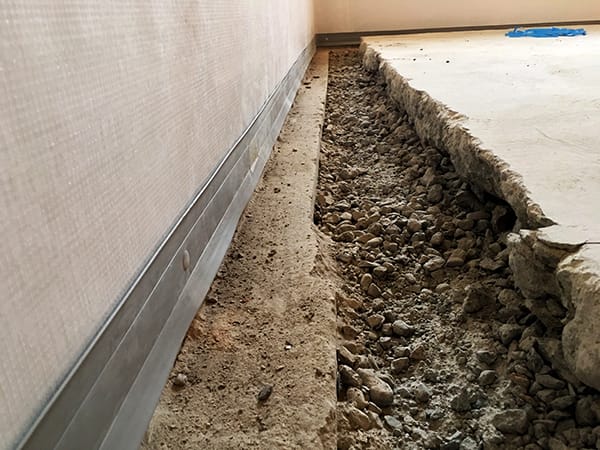
- Fabrication or repair of wells as required, using modern materials sized specifically for your basement windows, with gravel bedding and drains properly integrated.
- Recommendation of durable covers to minimize debris and critter activity.
- Written, “life of home” warranty covering system performance for your peace of mind.
Immediate Steps Homeowners Can Take Before Calling a Professional
- Clean your window wells. Remove accumulated leaves, mulch, and visible trash. Probe the gravel; if it’s compacted or muddy, drainage is likely compromised.
- Inspect the drain opening. If there’s no clear exit at the well bottom, or your drainpipe can't be cleared, note the location for your waterproofing contractor.
- Check gutter and downspout placement. Ensure all gutters are clear and downspouts carry water at least several feet from the home, ideally into a reliable underground line (not saturated flower beds or soil next to the window well).
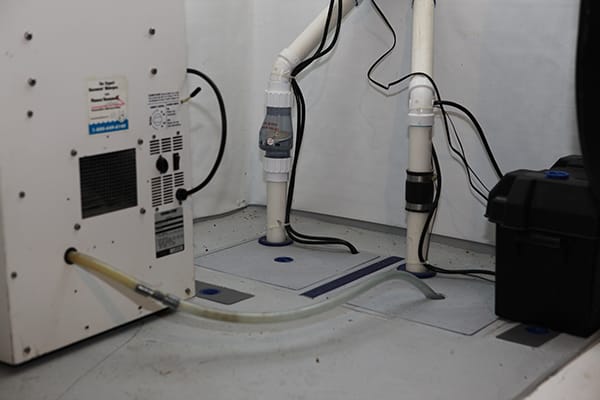
- Verify sump pump function. Run water into the pit and listen for reliable operation. If the pump hesitates or cycles excessively, consider service or replacement.
- Add secure covers. A tight-fitting window well cover can reduce debris and block direct rainfall, but only works in tandem with proper drainage.
For more tips on preventing water entry during storms and improving basement conditions, you may also find our blog How to Prevent Basement Flooding During Spring Storms in Philadelphia helpful—many principles apply to South Jersey homes as well.
When to Contact Jamison Waterproofing for Professional Help
- Water consistently enters your basement through or near window wells.
- You detect cracks or bowing foundation walls near basement windows.
- Persistent musty odors, mold, efflorescence, or humidity issues in the finished or unfinished basement.
- Your sump system is inadequate or drains seem overwhelmed, especially during storms.
Our team uses advanced drainage systems, like GrateDrain and French drains, which tie directly into sump pumps and are custom-designed for each foundation. We also install, service, and maintain high-quality sump pumps, dehumidifiers, and battery backups for complete moisture control. See more about sump pump installation and service.
Best Practices for Preventing Window Well and Basement Water Issues
- Maintain all exterior drains, gutters, and window wells by clearing debris each season.
- Ensure landscape beds and hardscapes are graded away from the foundation.
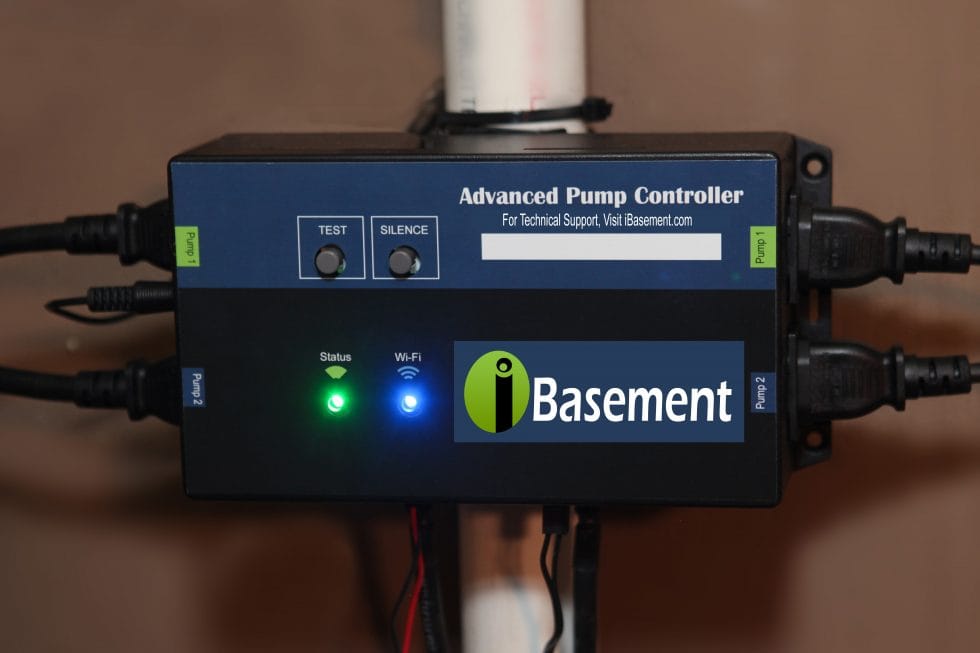
- Invest in sump pump maintenance and battery backup to prevent failures during storms.
- Add gravel and maintain compact layering in window wells for proper percolation and drainage.
- Address foundation cracks promptly—read more at When Basement Wall Cracks Are a Serious Problem in Older Philadelphia Homes.
FAQ: Basement Window Wells and Water Intrusion in South Jersey
How can I tell if my window well drain is clogged?
Look for standing water or accumulated debris that does not drain after a storm. If poking the gravel reveals muddy, compacted material, or if water remains for more than 24 hours, your drain is likely blocked.
Should window wells always have a drain?
Ideally, every window well should have a vertical drain leading to the sump system or a safe daylight discharge, along with a free-draining gravel base. Absence of a drain greatly increases flood risk in New Jersey soils.
Can I fix window well flooding myself?
Homeowners can address minor debris and redirect some surface water, but persistent issues (especially if water enters the basement) require professional waterproofing and drainage design to ensure permanent protection.
How does Jamison Waterproofing prevent future window well leaks?
We assess all contributing factors—drains, grading, gutters, sump pumps, and soil conditions—then install custom solutions like new drains, sump systems, grading corrections, and window well repairs, all warrantied for the life of the home.
Does insurance cover window well flooding?
Standard homeowners insurance typically does not cover water intrusion from poor drainage or saturated soil. Proactive waterproofing is the best defense to avoid costly repairs and claims denials.
Conclusion: Protect Your Basement and Home for the Long Term
A window well that regularly fills with water is an early warning sign of broader foundation and drainage challenges. Ignoring these issues leads to higher repair costs, potential mold growth, and even significant structural risk over time. South Jersey homeowners, real estate agents, and property managers rely on Jamison Waterproofing for comprehensive inspection, expert remediation, and custom waterproofing solutions backed by a transferable lifetime warranty. Don’t wait for the next major storm—reach out for a free consultation, protect the value of your home, and enjoy peace of mind year-round.
For more insights on related moisture and drainage issues faced by South Jersey residents, see our related guide: Why Water Pools Around South Jersey Homes After Heavy Summer Rain.