Does a Basement Waterproofing Warranty Transfer When You Buy a Pennsylvania Home?
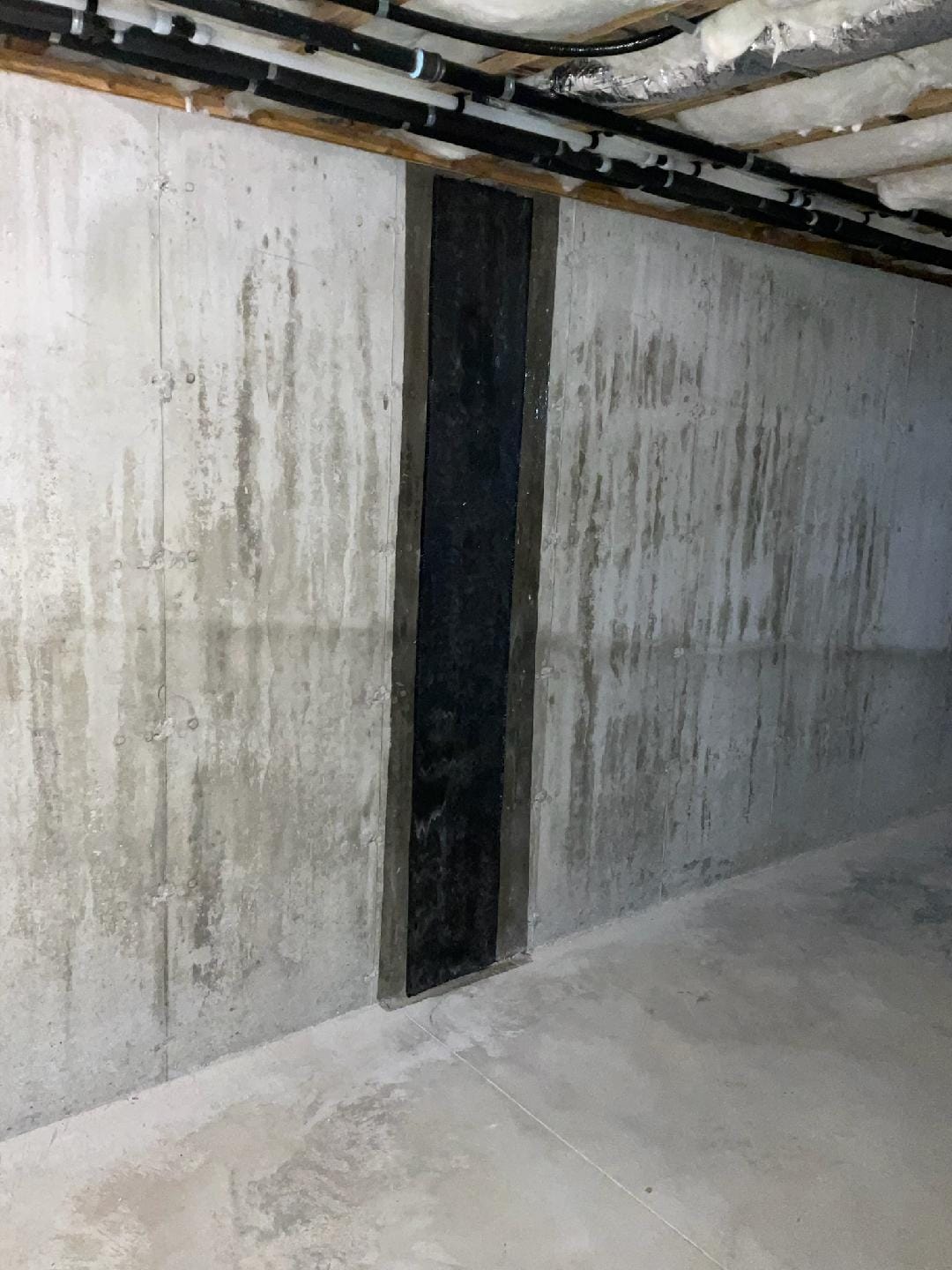
A basement waterproofing warranty can transfer when you buy a Pennsylvania home, but the sale itself does not establish that you have coverage. The answer depends on the written warranty for the work installed at that property. Before closing, ask whether the warranty covers a subsequent owner, what steps the contractor requires, and whether the coverage is still active.
That distinction matters even when a seller calls the warranty a lifetime warranty. Lifetime describes a duration under an agreement; it does not tell you who is covered or which parts of the basement system qualify. At Jamison Waterproofing, our iBasement Systems offerings include a transferable lifetime warranty. A buyer should still review the applicable agreement and confirm the transfer requirements for that home's installed system.
Our practical advice is to treat warranty verification and basement inspection as two separate tasks. Confirm your rights under the warranty in writing, then assess the condition of the drainage, sump pump, foundation, and surrounding moisture conditions. A transferable warranty is useful, but it is not proof that a basement is dry today.
What does a transferable basement waterproofing warranty mean?
A transferable basement waterproofing warranty is an agreement that allows an eligible new owner to receive specified coverage after a home changes hands. The agreement, not the marketing description, determines whether a buyer qualifies. It also defines the covered work, how a claim is made, and any conditions the owner must meet.
Think of transferability, duration, and scope as three different questions:
- Transferability: Can someone other than the original customer receive coverage after the sale?
- Duration: How long does the applicable coverage last under the agreement?
- Scope: Which installed components and types of problems does the agreement cover?
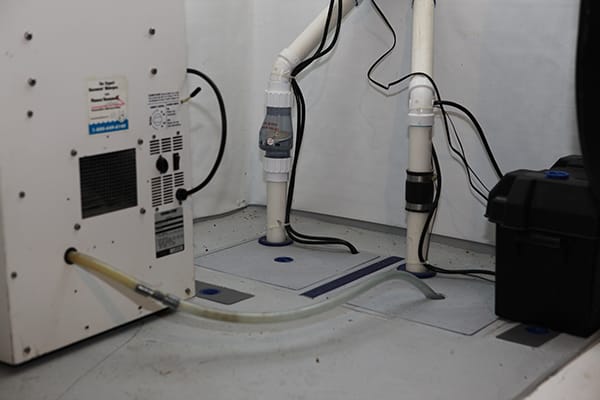
For example, a home may have an interior drain, a sump pump, a battery backup, and a dehumidifier. The presence of one warranty does not mean all four items have identical coverage. An invoice showing that work was completed is useful evidence of what was installed, but it is not a substitute for the warranty terms.
Likewise, a certificate labeled lifetime does not answer whether coverage continues through later sales. If the paperwork is unclear, get a written answer from the company that issued it before treating the warranty as a benefit of the purchase.
How to verify a waterproofing warranty before buying a Pennsylvania home
We recommend a simple sequence: identify the work, match it to the paperwork, confirm transfer eligibility, inspect the installed system, and retain written confirmation. Each step answers a different question. Skipping one can leave you with either an uncertain warranty or a misunderstood moisture problem.
1. Request the complete installation file
Ask the seller for the signed contract, final invoice, warranty certificate, system description, and records of later repairs or service. If the home has changed owners before, request any earlier transfer confirmation as well. Ask for maintenance records when pumps or other serviceable equipment are involved.
Compare the paperwork with what you can see in the house. A seller may describe a system as a French drain, for instance, while the invoice identifies a particular interior drainage product and a separate sump pump installation. Those differences matter because warranties may attach to particular work, not to every wet area in the basement.
2. Identify the company responsible for the warranty
The installing contractor is generally the right starting point for questions about its own warranty. Give the company the property address and any contract or invoice number available. Ask it to identify the covered installation and explain whether the warranty remains eligible for a buyer.
Do not assume that a current contractor will accept a warranty issued by another business, or that a warranty for one part of a basement applies to later work done elsewhere. If several contractors performed repairs over the years, organize the records by company and project.
3. Ask exactly how the transfer works
Read the transfer provision rather than relying on a seller's summary. Depending on the agreement, there may be a form, proof-of-ownership requirement, fee, inspection requirement, or deadline. There may also be limits on whether coverage can pass to another owner when you eventually sell.
Ask for the answer in writing: Is the warranty eligible to transfer to this buyer, what must be submitted, and when will the contractor recognize the transfer? If the documents call for an action after closing, put that action on your closing checklist and keep proof that you completed it.
4. Check what is covered, not just whether it transfers
A transfer is only valuable to the extent that the warranty addresses the work you are relying on. Ask whether the relevant coverage concerns the drainage installation, a specific crack repair, a sump pump component, a crawl space system, or another defined item. Clarify whether labor, replacement parts, and service visits are addressed, and how a homeowner reports a problem.
Pay close attention to the location of the work. An interior drain along one wall is not necessarily a promise about an unrelated basement stairwell, a plumbing leak, or water entering through a window well. Waterproofing systems manage particular water pathways. A warranty should be evaluated against the pathway it was designed to address.
5. Confirm the transfer and save the record
Once the required steps are complete, request written confirmation identifying the property and new owner. Keep it with the installation documents, service records, and information on how to request help. A buyer should not have to reconstruct the history of a buried drainage system during a future rainstorm.
For real estate agents, this sequence also creates a clear handoff. A transaction file can distinguish a seller's statement that a warranty exists from the contractor's written answer about the buyer's eligibility.
Inspect the system separately from the warranty
Warranty status and physical condition answer different questions. One is contractual: What work is covered for this owner? The other is practical: Is water being managed properly at this house right now? We would not use a transferable warranty as a reason to skip a basement evaluation before a purchase.
Start by noting where moisture appears. Water at the floor-wall joint can point to a different issue than dripping at a plumbing line or a wet window well. A musty smell without visible water calls for attention to humidity, condensation, or hidden dampness. Our overview of common basement leak causes explains why the entry point matters when selecting a solution.
Look for water stains, efflorescence, rust, damp materials, visible mold, and cracks. Ask when the seller last noticed water and under what conditions. A dry floor on the day of a showing cannot tell you what happens during prolonged rain, while a stain does not, by itself, establish that a current system has failed. The goal is to investigate rather than jump to either conclusion.
If the basement has a sump pump, find out whether it runs, whether its discharge route is clear, and whether a battery backup is present. Ask for service records and identify any alarm or control equipment. Our sump pump services include installation, repair, and maintenance, as well as battery backup systems. A pump can be a vital part of a drainage installation, but it is equipment that needs attention, not merely a line item on an old invoice.
Finally, inspect outside the house. Downspouts, surface drainage, and water collecting near the foundation can affect conditions indoors. If a basement stairwell or window well gets wet, document that specific location rather than assuming an interior perimeter system addresses it. For buyers who notice water entering at a lower-level doorway, our article on why basement stairwells flood during fall rain explains why that entry point deserves its own review.
Understand the system you are inheriting
Some waterproofing work is easy to spot. A sump basin or dehumidifier may be visible at a glance. A subfloor drain is largely concealed beneath concrete, so its route and connection to the sump may be difficult to determine without installation records. This is one reason a system diagram, proposal, or detailed invoice is worth requesting before closing.
Our GrateDrain system, for example, is a dual-chamber, full-perimeter drainage system installed beneath the basement floor in front of the footer. It channels groundwater from the wall and footing joint toward a sump liner and is accessible for maintenance. Knowing that a home has a particular drain helps you ask specific questions about its extent, its sump connection, and the applicable warranty. Do not assume every home with a perimeter drain has GrateDrain or the same coverage.
The same principle applies to foundation and crawl space work. A repaired wall crack, stabilized wall, vapor barrier, and crawl space encapsulation address different conditions. If the seller presents a single stack of basement paperwork, separate the projects before deciding what protection carries forward. Our foundation repair services and crawl space services illustrate how many distinct types of work can fall under a broad description such as basement repairs.
Also ask whether later remodeling changed the original installation. Finished walls, new flooring, relocated equipment, or other alterations may make inspection harder or affect the drainage path. Before making your own changes after purchase, read any provisions concerning access and modifications, and contact the issuing contractor with questions.
What a warranty does not tell you about a Pennsylvania property
A warranty does not replace the seller's property disclosures, a home inspection, or a careful review of past water events. When buying in Pennsylvania, review the seller's disclosures alongside the installation records. If a seller reports prior water intrusion and provides invoices for repairs, ask what was repaired, whether water returned, and whether the warranty applies to that exact work. If the answers or documents conflict, raise the question during your transaction rather than waiting until after closing.
Nor does waterproofing work make every dampness problem interchangeable. Groundwater pressure can drive water toward the floor-wall joint. Plumbing problems can wet the same room for an unrelated reason. Window wells and sump malfunctions can create separate entry or removal problems. A warranty for one solution should not be read as a guarantee against all possible basement moisture.
Foundation movement is another issue to assess independently. A water stain and a structural crack deserve different lines of inquiry, even when both appear on a basement wall. If you see bowing or significant cracking, identify whether stabilization was performed and what the applicable paperwork covers. Our guide to basement wall cracks in older Philadelphia homes can help you prepare questions for an inspection.
Keep your purchase decision grounded in both records and current conditions. A well-described system with clear transfer terms is easier to evaluate than an undocumented promise, but neither paperwork nor appearances should carry the whole decision alone.
Best practices for buyers, sellers, and real estate agents
For buyers: make coverage a written question
When the seller advertises transferable waterproofing coverage, ask for the complete document and a written response from the issuing contractor. Use the address and installation records to make the question specific. Then confirm what you must do after settlement, if anything. Keep copies of your request and the company's answer.
If the basement shows active moisture or the pump has not been assessed, address that separately before your inspection period ends. A promise of future warranty service is not the same as understanding an existing condition before you take ownership.
For sellers: gather records before listing
Collect the original agreement, invoices, warranty paperwork, and service history. Describe the installed work accurately rather than calling every component lifetime covered. If a transfer requires your participation, ask the issuing contractor what information you need to give the buyer. Organized records can prevent a preventable scramble near closing.
For agents: distinguish the claim from the confirmation
A listing may say a basement is waterproofed or that a warranty transfers. Help the parties obtain the actual documents and direct transfer questions to the issuing contractor. Record what the contractor says about eligibility and process rather than treating a brochure or an old invoice as approval of the new owner. This keeps the discussion focused on the property, the installed work, and the buyer's next steps.
For new owners: protect the investment after closing
Put the warranty confirmation and service contact in a place you can find easily. Follow the maintenance instructions that apply to your installation and keep records of service and repairs. Watch for new stains, unusual pump behavior, changes in odors, or water near the foundation. Report a suspected covered issue through the procedure in your agreement rather than assuming that any repair will automatically qualify.
Preventive care also helps you separate ordinary equipment maintenance from a new water problem. For example, a drain may route groundwater to the sump, but the pump still has to move that water away. A basement can also feel damp because of humidity even without an obvious leak. If that sounds familiar, see our article on why Philadelphia basements feel damp without leaks.
Frequently asked questions about transferring a waterproofing warranty
Does a lifetime warranty automatically transfer when the house is sold?
No. Lifetime and transferable are separate terms. Read the written agreement to learn whether subsequent owners qualify and what steps are required to establish coverage.
Is a seller's installation invoice enough to prove I am covered?
No. An invoice can identify the contractor and work performed, but it does not establish the new owner's rights under the warranty. Request the warranty itself and written clarification from the issuer.
Can a warranty transfer if the seller cannot find the certificate?
Contact the issuing contractor using the property address and any invoice or service records available. Ask whether it can identify the installation and explain the transfer process. Do not assume eligibility until the contractor confirms it.
Does a transferable warranty cover the sump pump and battery backup?
Not necessarily. Determine whether the agreement covers the drain installation, pump, backup equipment, or a defined combination. Ask how coverage for serviceable components differs from coverage for installed drainage work.
Will a warranty cover new water entering through a window well or stairwell?
Only if the agreement covers the relevant work and issue. An interior drainage warranty should not be assumed to cover every possible entry point. Identify where the water appears and compare that location with the documented installation.
Should I get an inspection if the warranty is transferable?
Yes. A warranty concerns contractual coverage; an inspection addresses present condition. Check the basement, pump, discharge route, foundation, and exterior drainage before relying on the system as part of your purchase decision.
What if the previous owner did not maintain the sump pump?
Review the maintenance language in the applicable warranty and ask the issuing contractor how the home's service history affects coverage. Separately, have the pump's present condition assessed. A transfer question cannot tell you whether equipment is ready to operate.
Can I finish the basement after taking ownership?
Before covering walls or changing floors, locate the installed drainage and read the warranty provisions on access and alterations. Address any existing moisture concerns first. Finishing materials can hide warning signs and make later inspection more difficult.
The takeaway for a Pennsylvania home purchase
A basement waterproofing warranty can be a meaningful part of a home purchase when it is transferable, applies to the installed work, and is properly recognized for the buyer. Do not rely on the words lifetime warranty alone. Get the agreement, ask the issuing contractor about transfer steps and coverage, inspect the system, and keep written confirmation with your home records.
If you are evaluating a basement system in the Greater Philadelphia area or have concerns about a wet basement, sump pump, crawl space, or foundation, Jamison Waterproofing offers free inspections and written estimates. Learn more about our basement waterproofing services or call 484-276-2272.